

If my younger self was looking at my past few days, she likely would have been bored. My current self has been content to relax and sit with the ebbs and flows of Cambodian rural life.
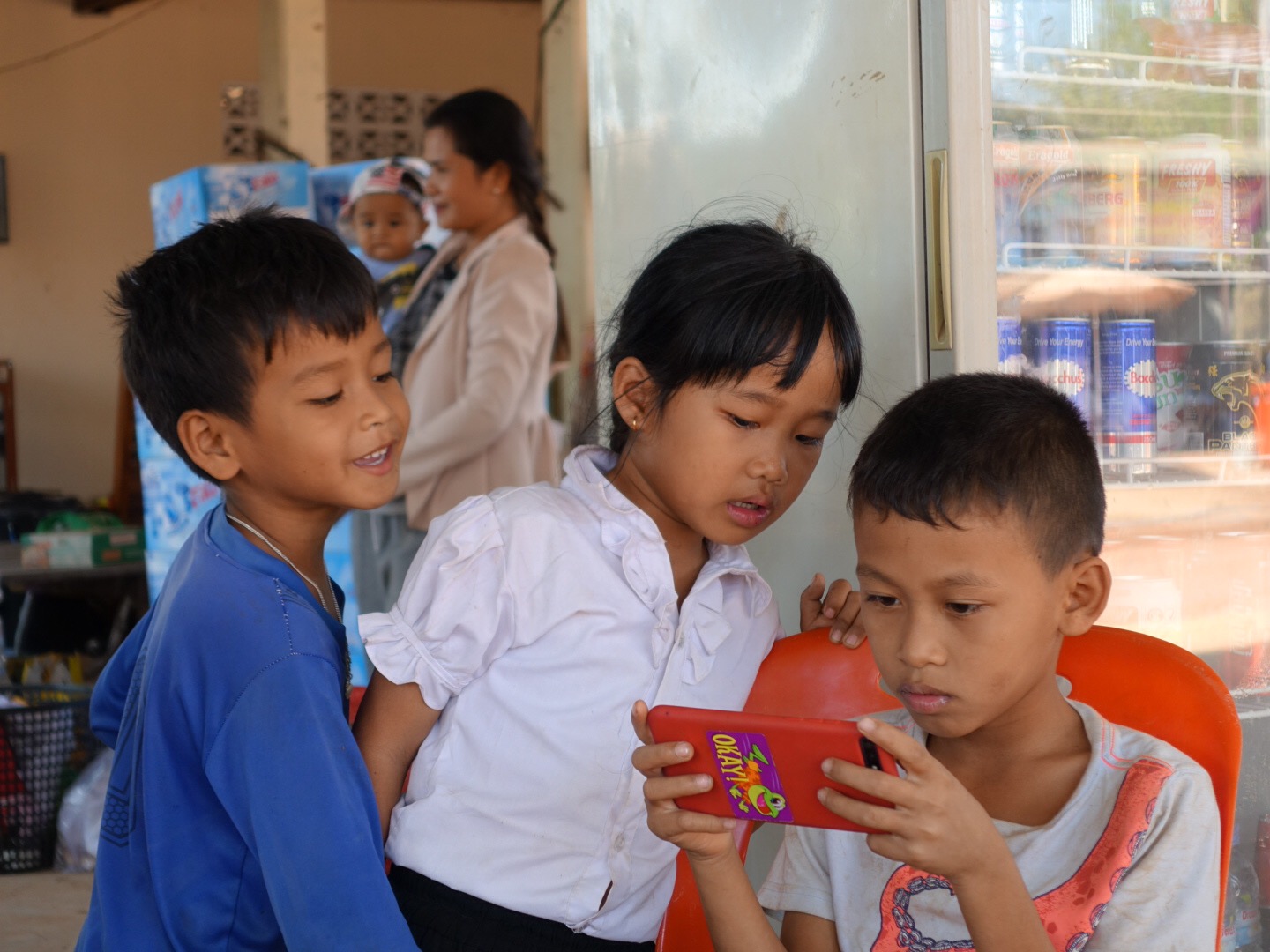
Each day I have walked to the village. When my watermelon stand family sees me, they immediately pull over a chair and invite me into the fold of their lives. The women cluck amongst one another, stitching and tending to customers, often with babies on their hips. The children come to translate occasionally. A brief description of my unimaginable life. I’m not sure that they understand what snow is. 30 hours of flying to get here? They shake their heads and pass around snacks.
School children ride by and, seeing me, start asking their well practiced script of English questions: What is your name? Where are you from? How many brothers and sisters do you have? How old are you?.
In the evenings I’ve been mesmerized by the stories from my homestay family. The dad, Maden, is like a cat with 9 lives, surviving the Khmer Rouge, living on the streets, falling victim to human trafficking and slavery on a fishing boat, a harrowing journey through Thailand to get back to Cambodia, and 3 bouts of malaria when guiding in the jungle. He had a vision of creating this rural homestay. He said that the neibouring people laughed at him. He has built it, and we have come. His next plan is to start a tree farm to grow saplings of fruit trees to give/sell to the villagers.

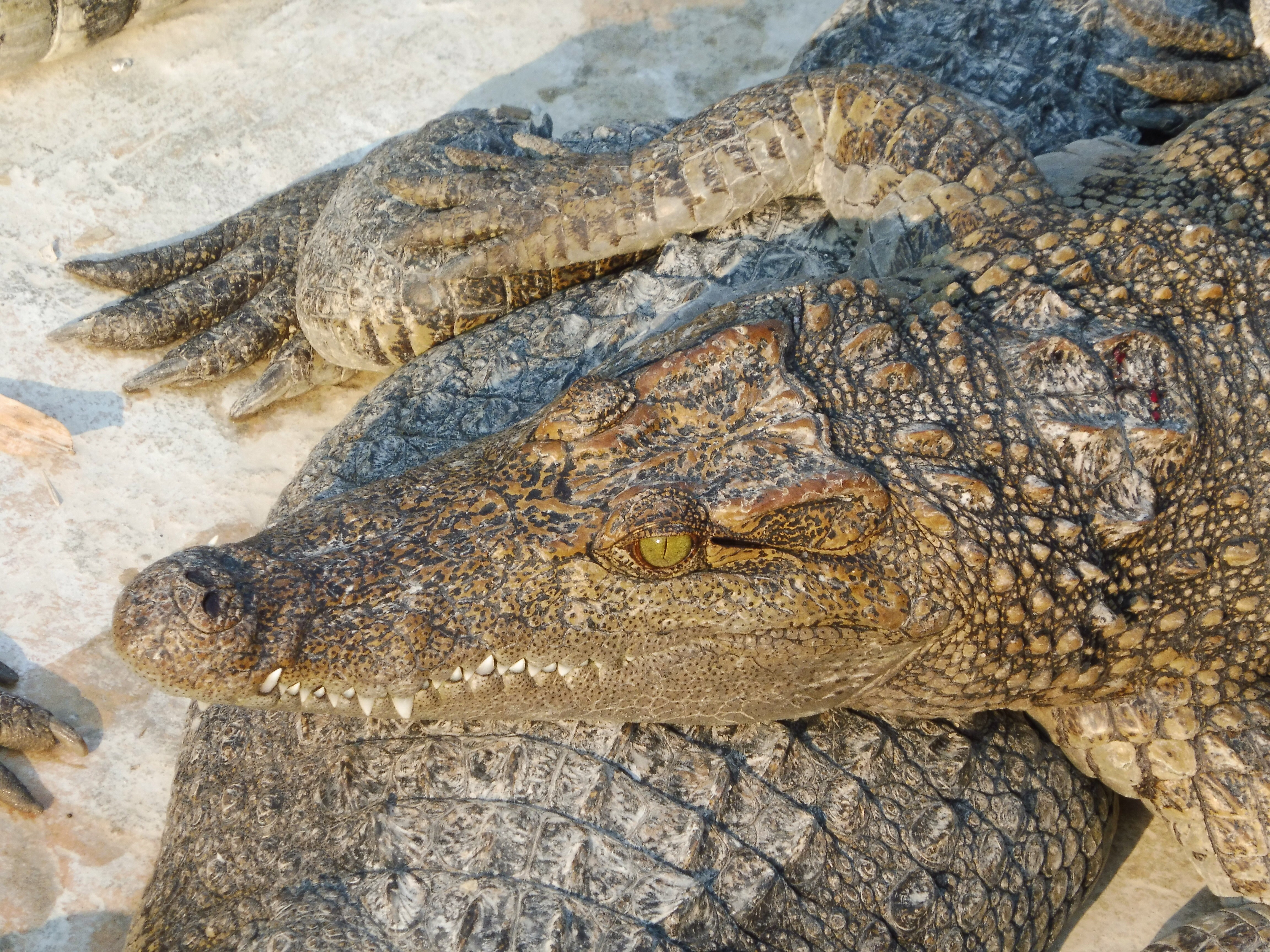
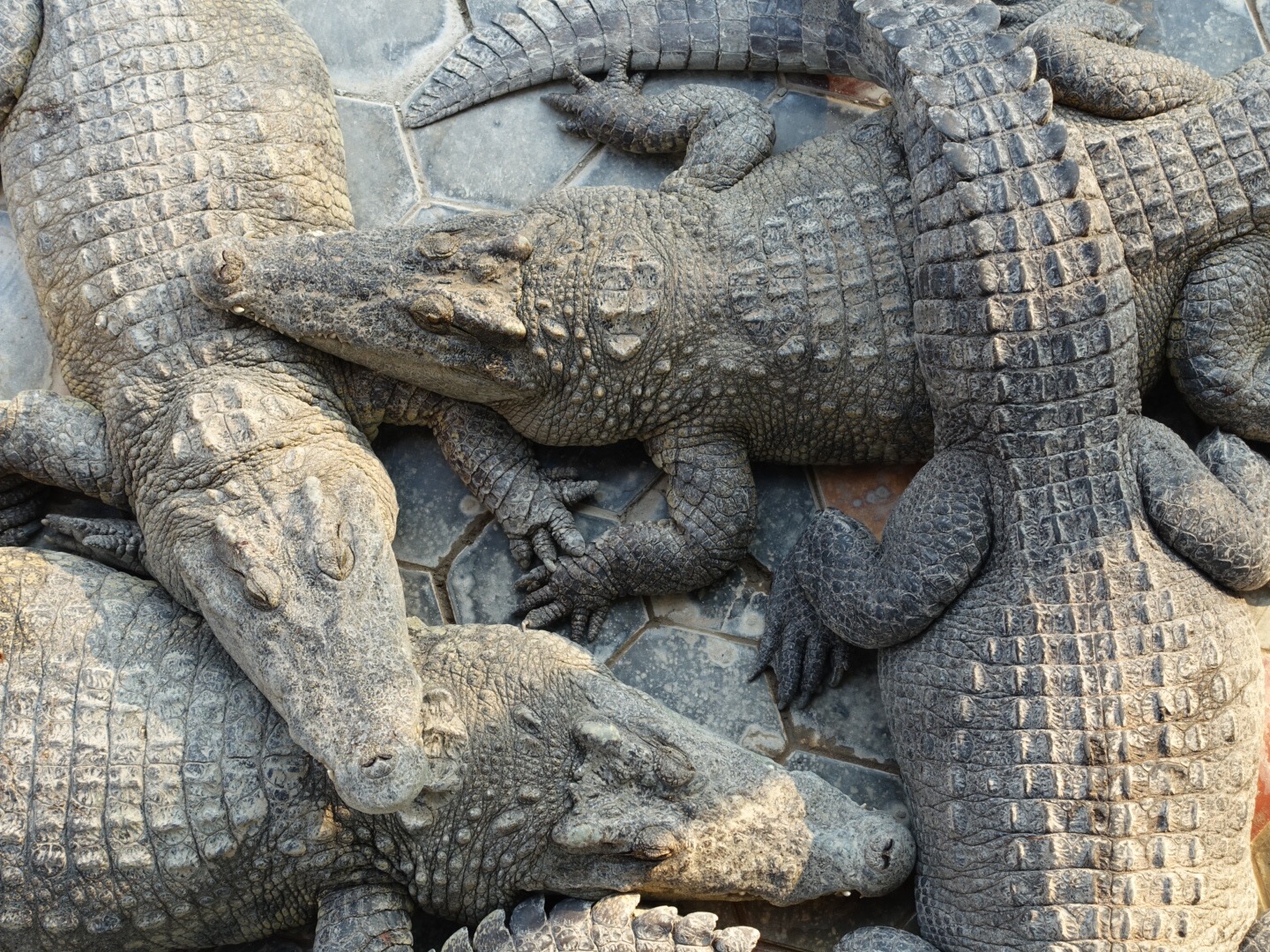
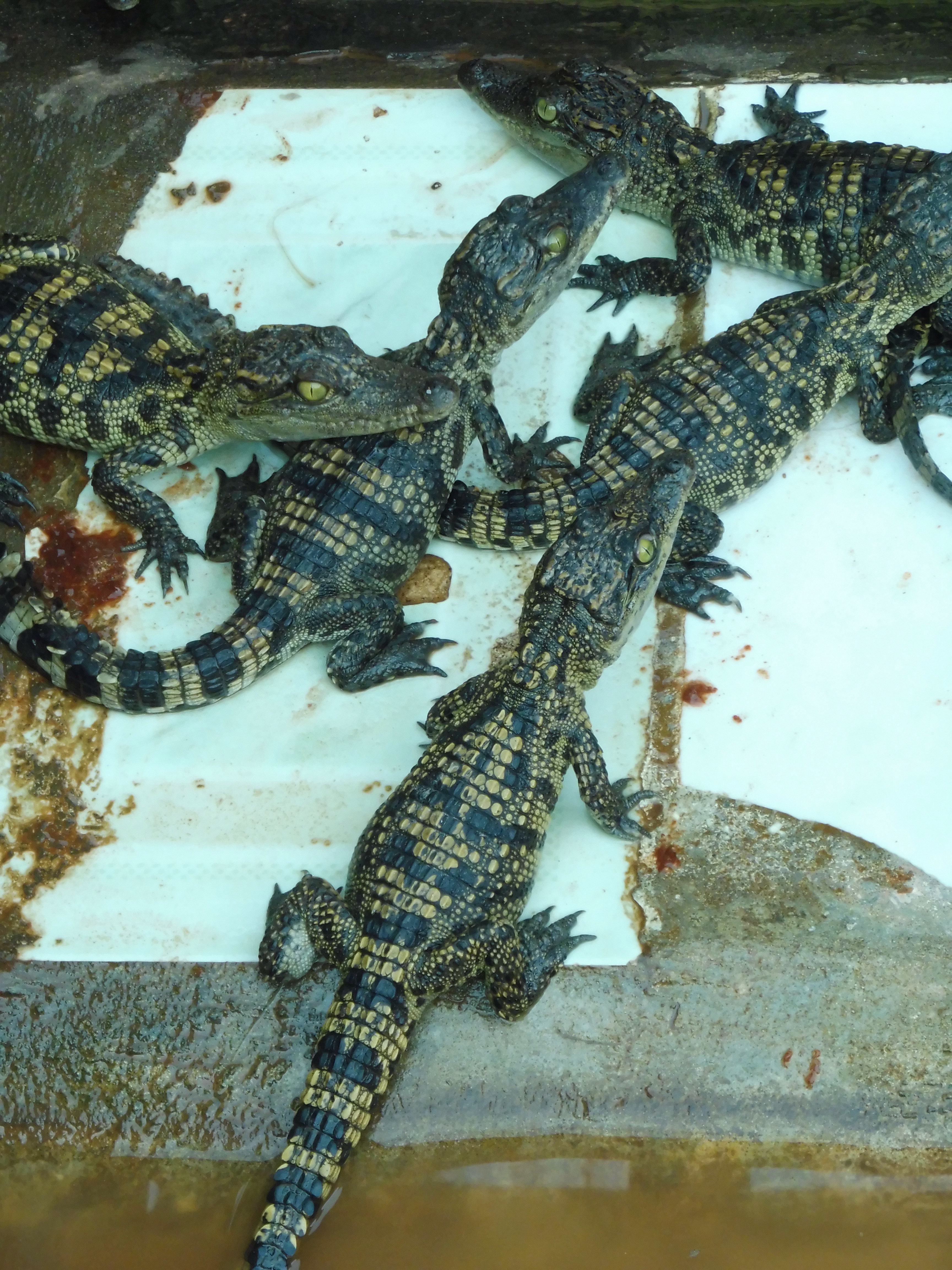
 One day I went on a tour to 2 different farms. The crocodile farm was much more than I expected. There had to be 100 000 crocs sunning and mud bathing in concrete tanks. I learned that they sell the crocs for their meat and their skin (in Siem Reap I saw ads for Crocodile skin purses). Maden had told me that a few years ago during a flood the crocs got out. I could not comprehend the horror of this until I saw the scale of the farm.

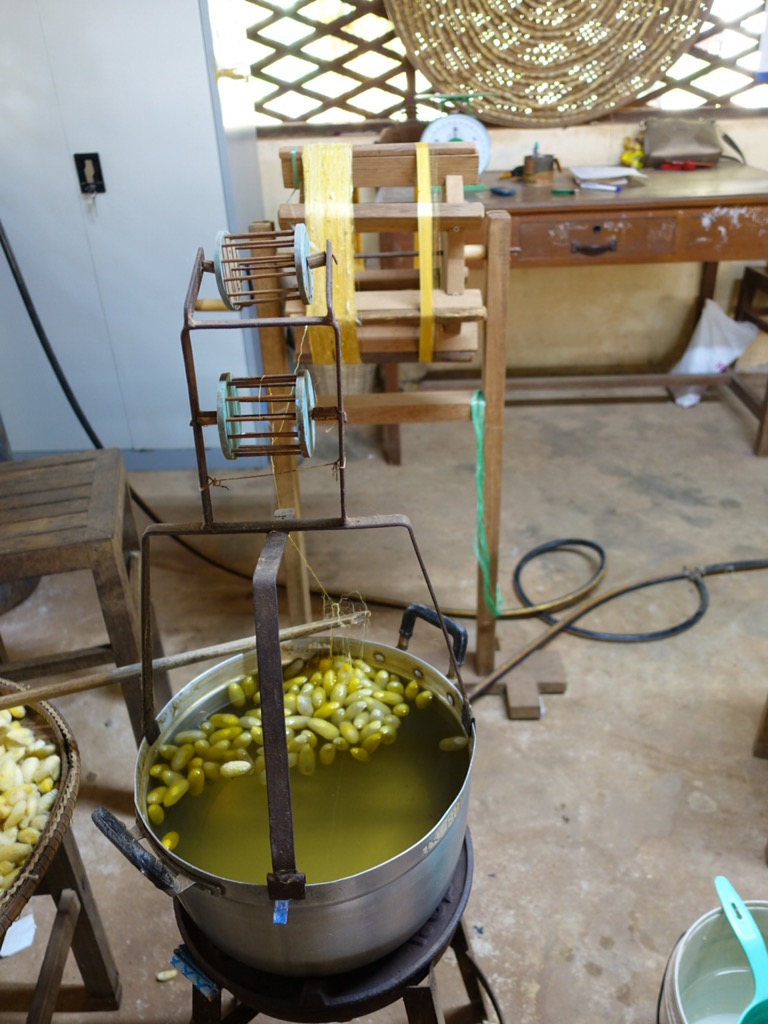
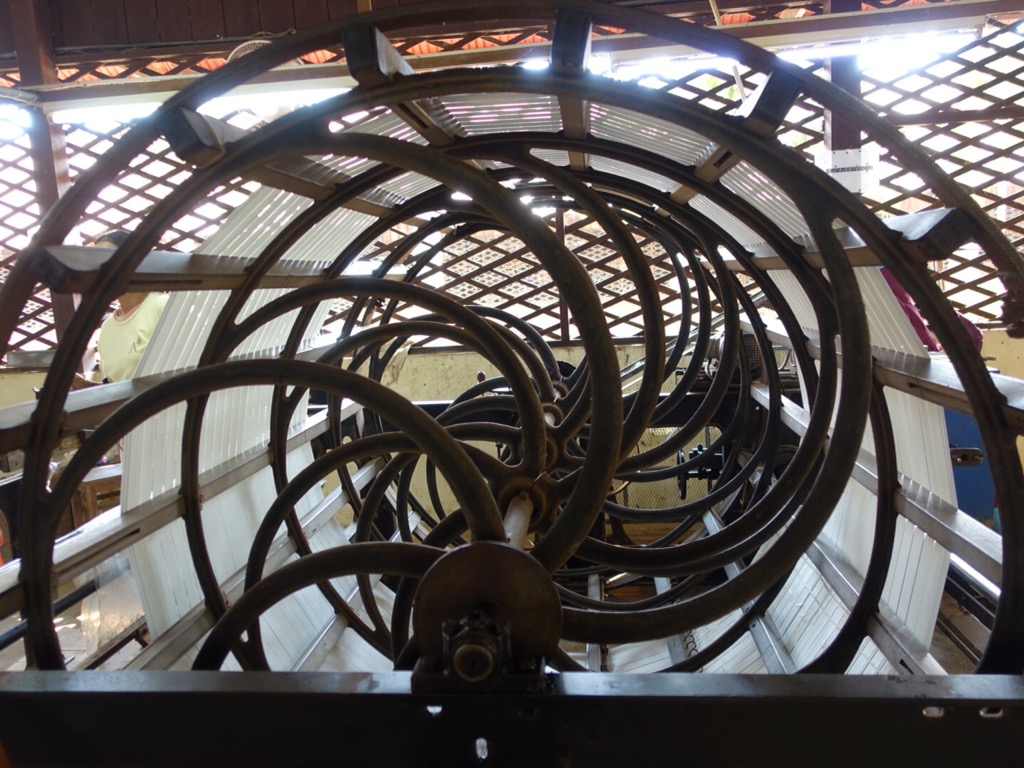
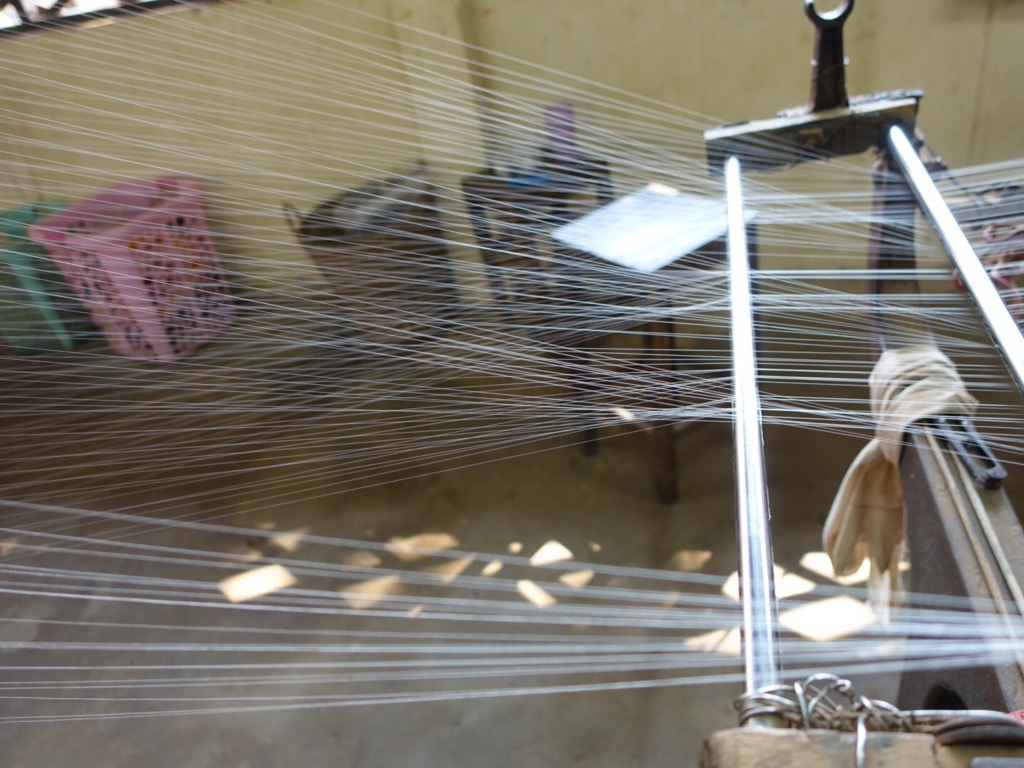
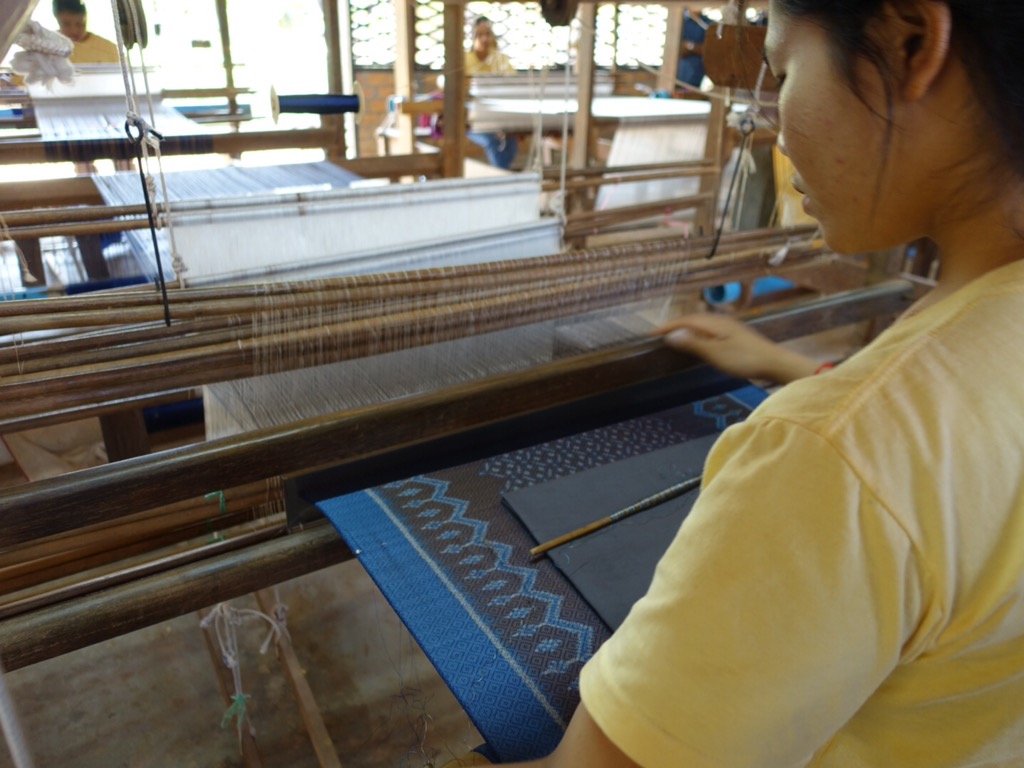
 The second was a silk farm. As I learned each step of the process my brain exploded. One cocoon can make about 400 meters of silk thread, thin as a spiderweb, which are added together to make a specific thread count. The thread is then intricately wrapped like tie dye and dyed so that a specific pattern is formed when woven. For an intricate pattern it can take 4 days to weave 1 scarf. Just like ceramics, I think once the process is understood the large numbers on the price tags makes much more sense.
My inner explorer is ready to move on. Next stop is Siem Reap for some temple touring with RobO!