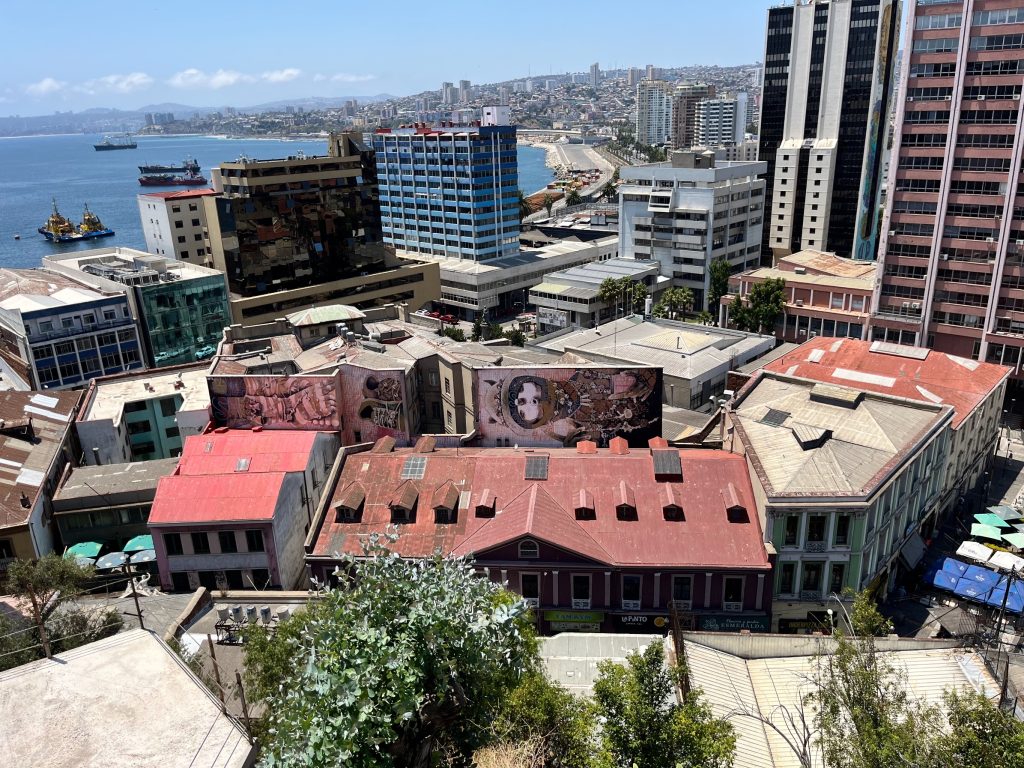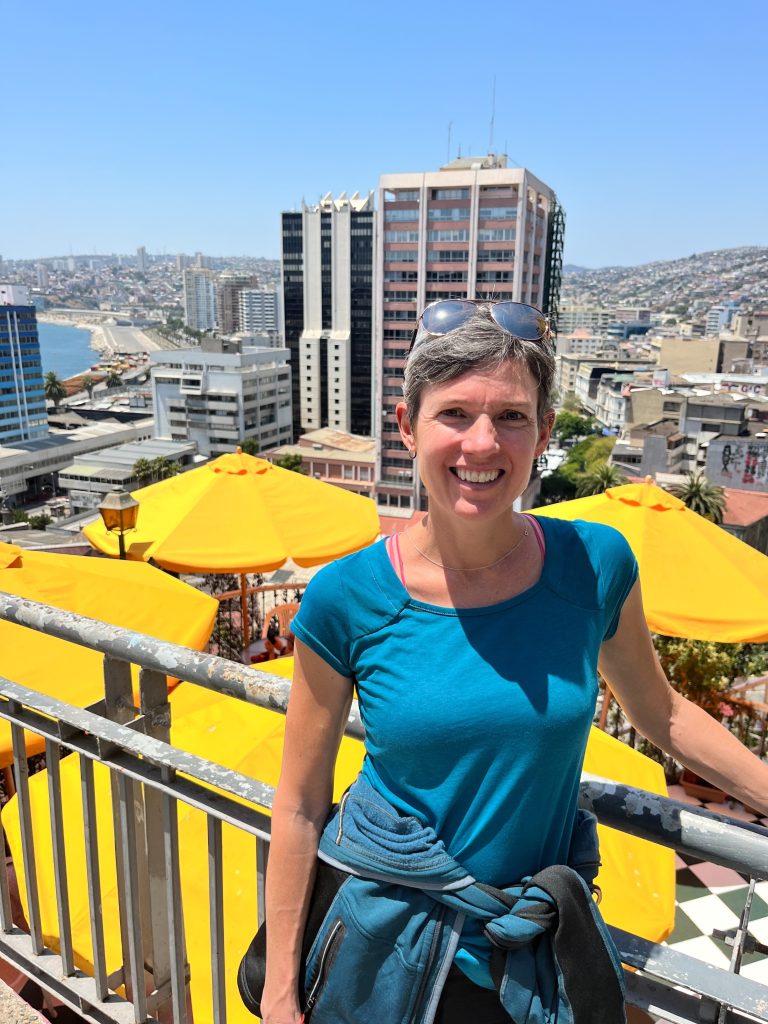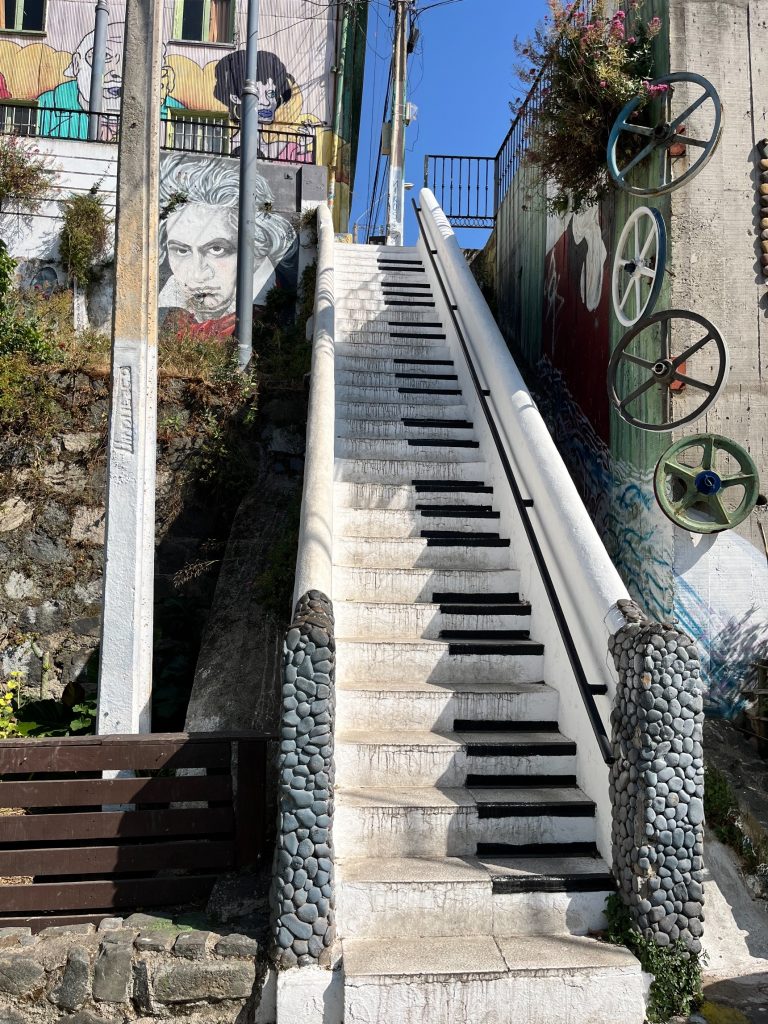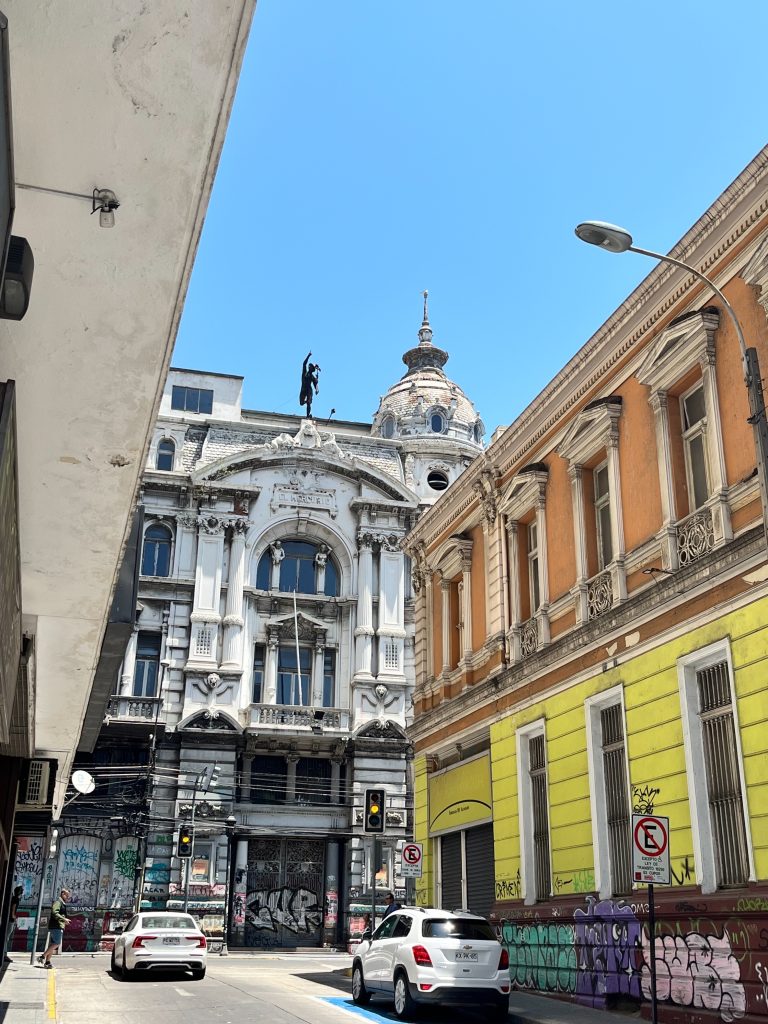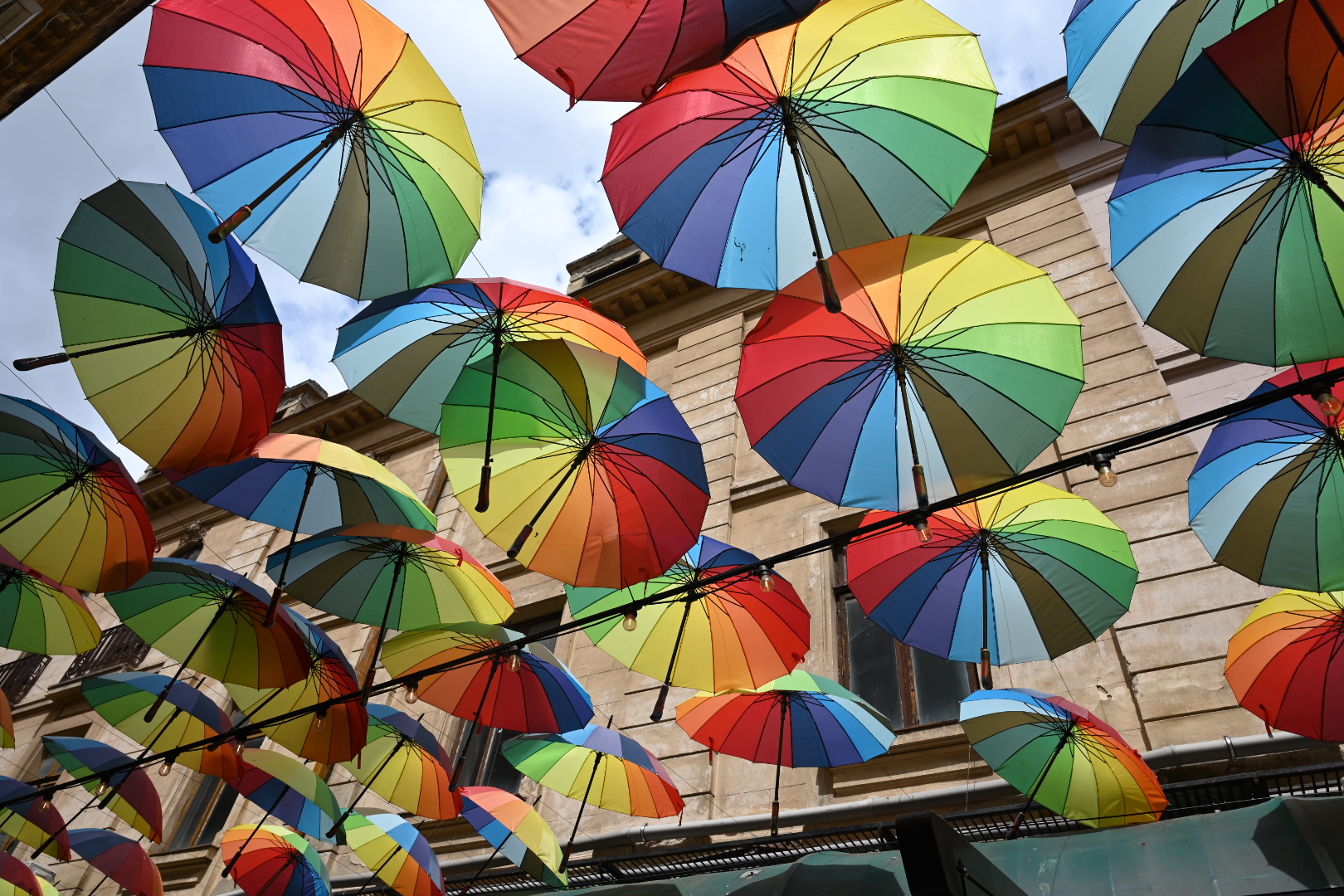
We left Paris last week and touched down in Bucharest, Romania. We settled in a beautiful AirBnB and the next morning we took a bus to Brașov, a charming mountain town about 200km to the north. What was supposed to be a 3 hour bus ride was over 6 hours long. We left on the Friday of a long weekend and it seemed like everyone was on the roads. When we finally arrived we took a stroll around town.
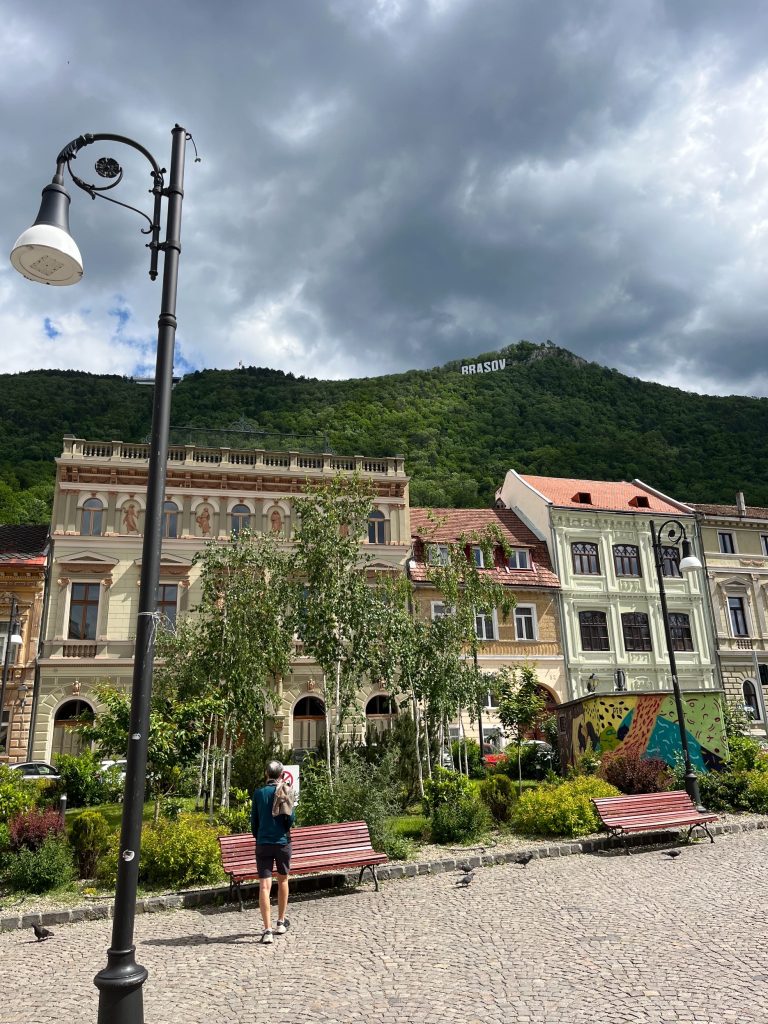
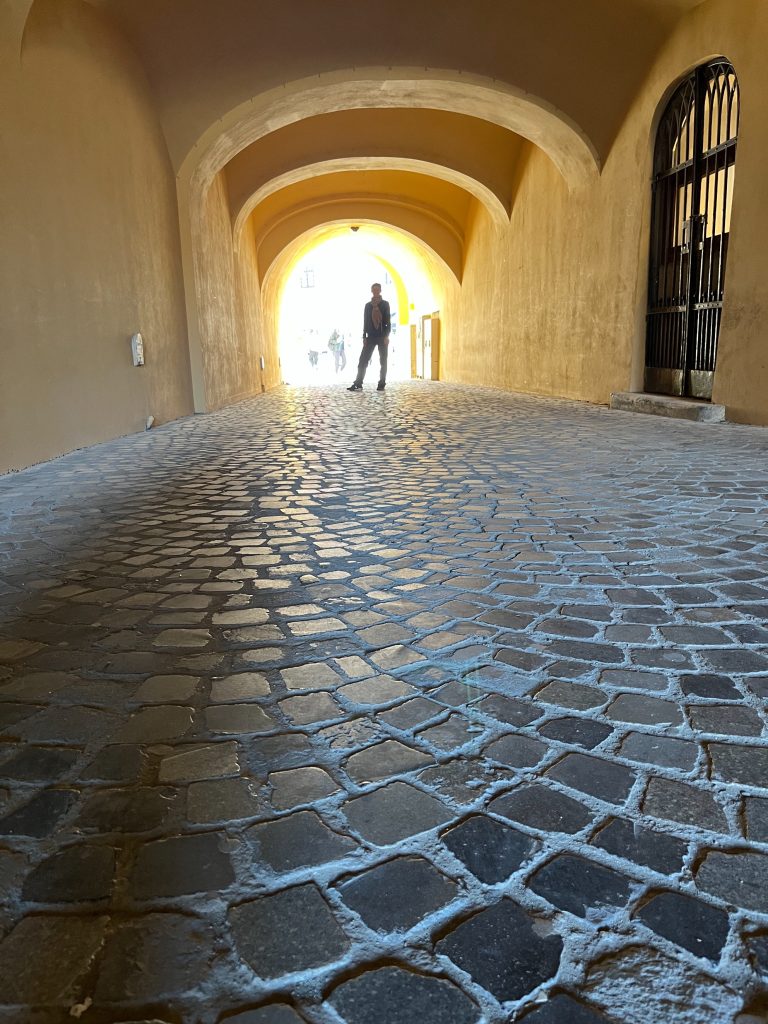
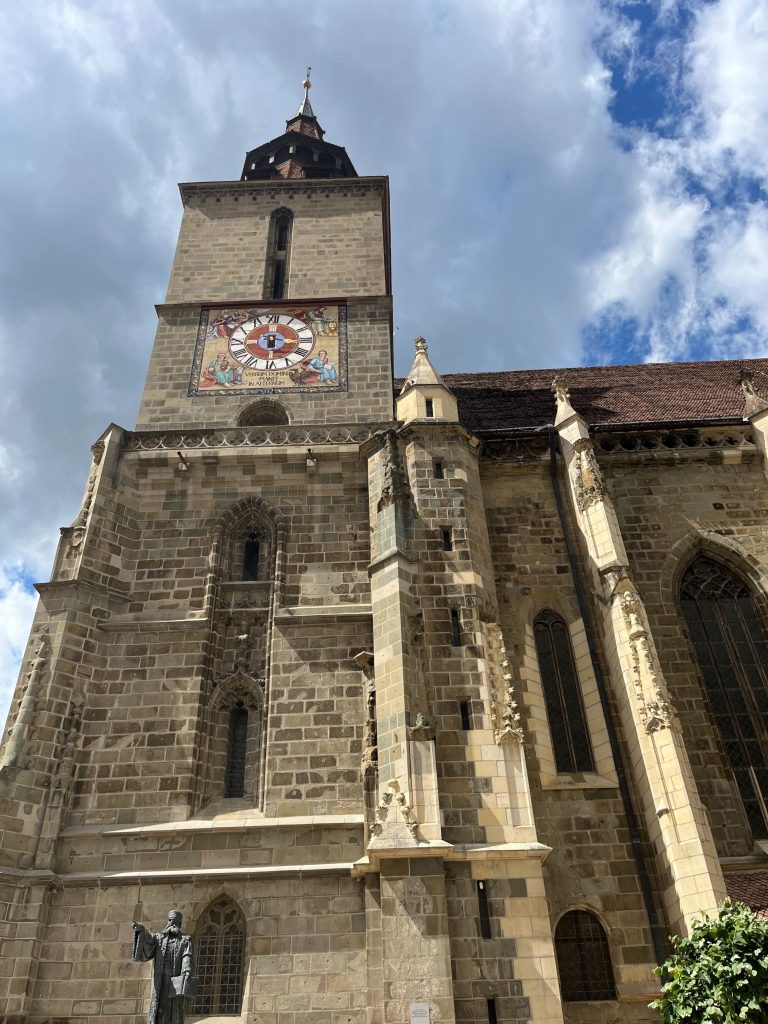
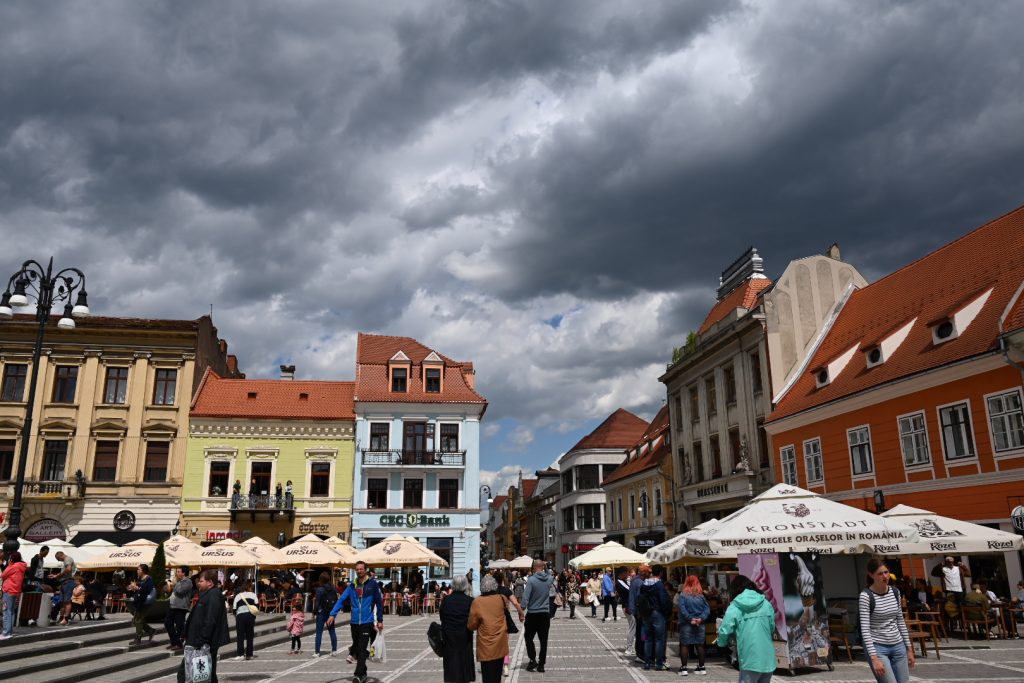
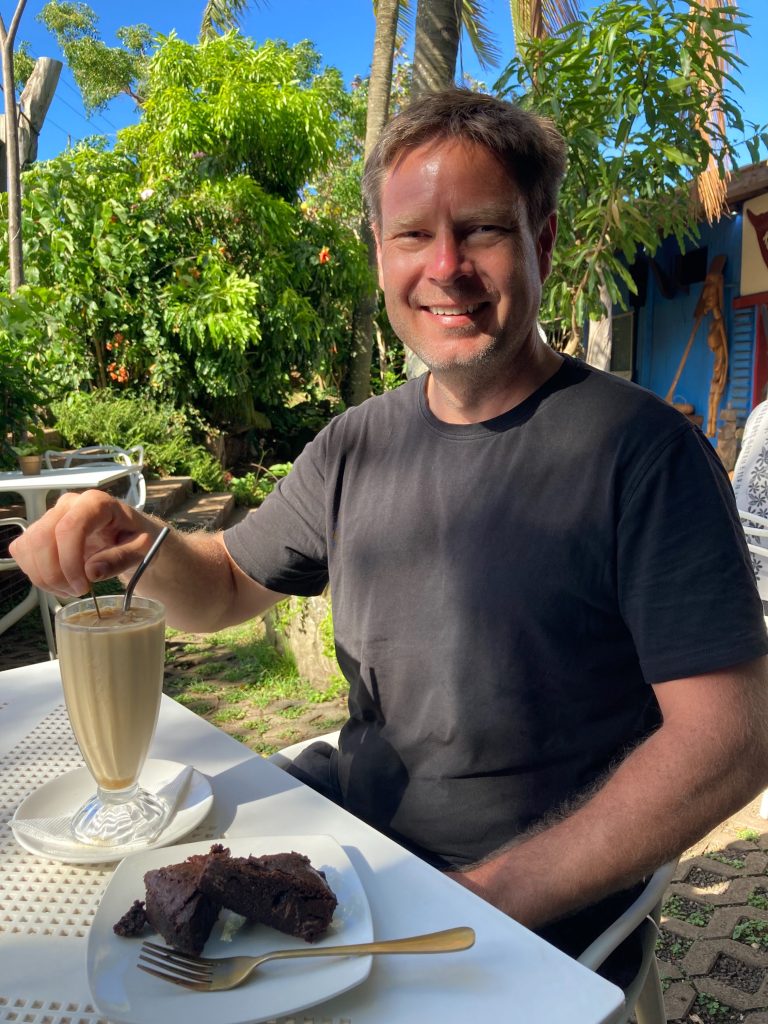
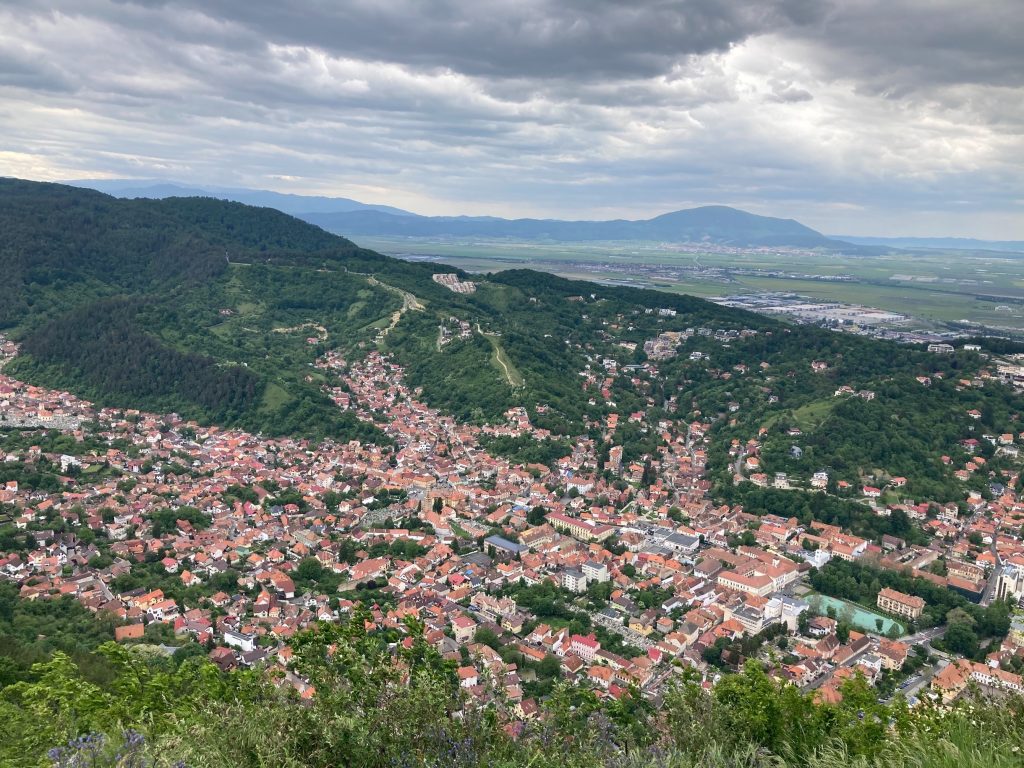
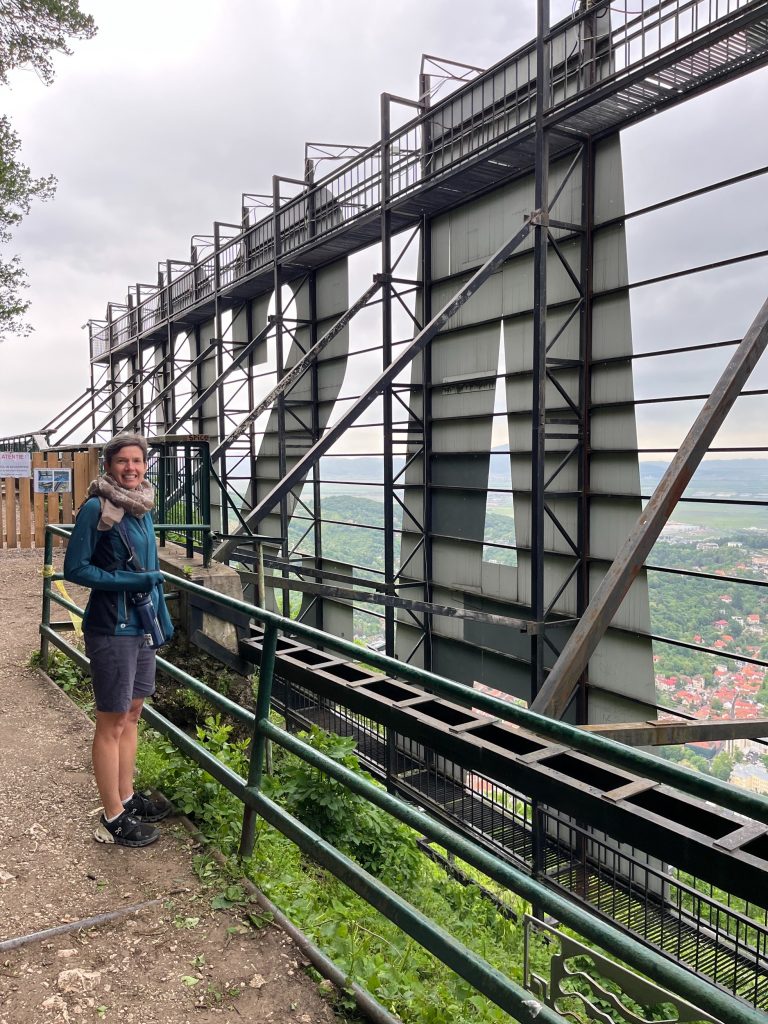
In the morning DawnO hiked up Tampa mountain and I took the cable car up and met her at the top for a well earned coffee!
The next day we made our way to the main bus station to take a day trip to Bran, Transylvania to visit the castle of Vlad the Impaler who would inspire Bram Stoker to write Dracula. When our bus arrived we found out that the driver only took cash. It was the Sunday of a long weekend so the ticketing office was closed and the only payment option we had was my phone which, normally wouldn’t be a problem. We quickly realized that time would be really tight if we went back to our AirBnB to get money. As we walked out of the bus station a man approached us and offered to take us to Bran for quite a reasonable rate. He didn’t speak much English but would use his phone to translate what he was saying. We explained our money situation and he said it would be no problem. After we went to Bran he would take us home and we could pay him then. We agreed and got into his cab which had no seatbelt fasteners in the back seat. Very nice!
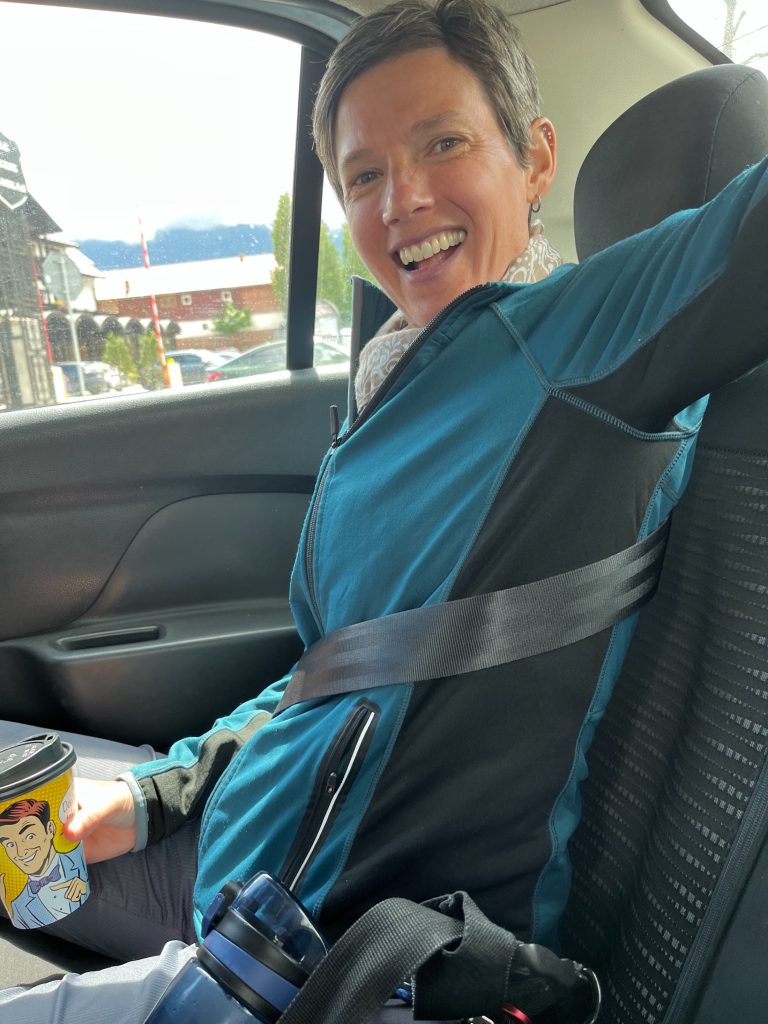
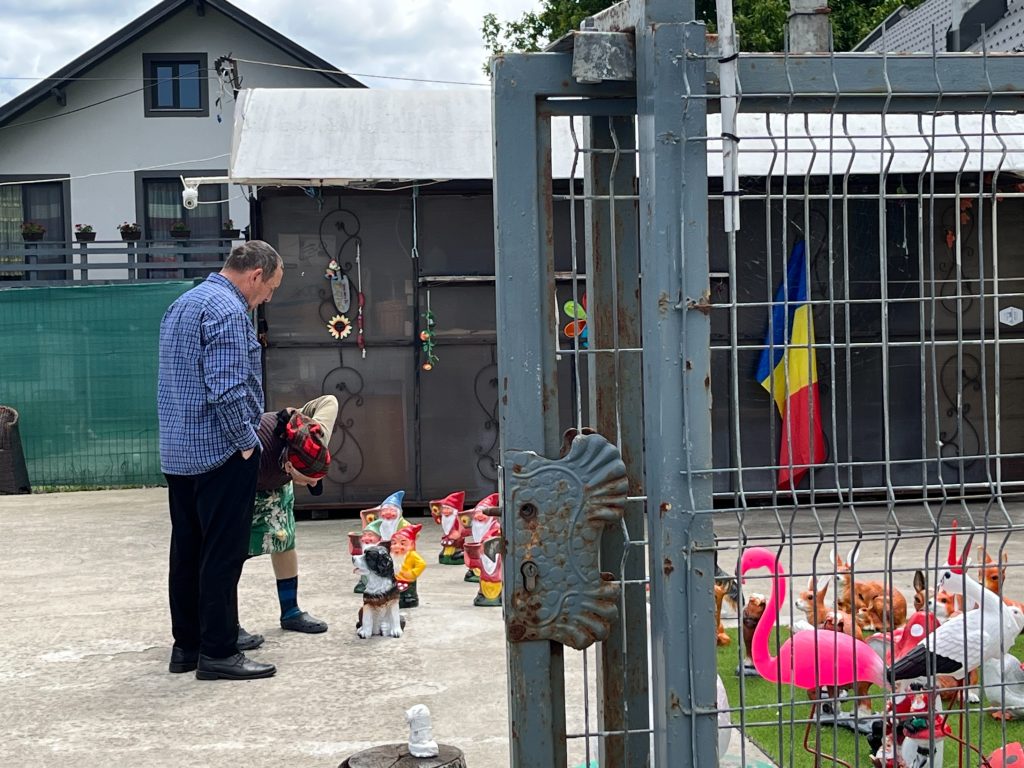
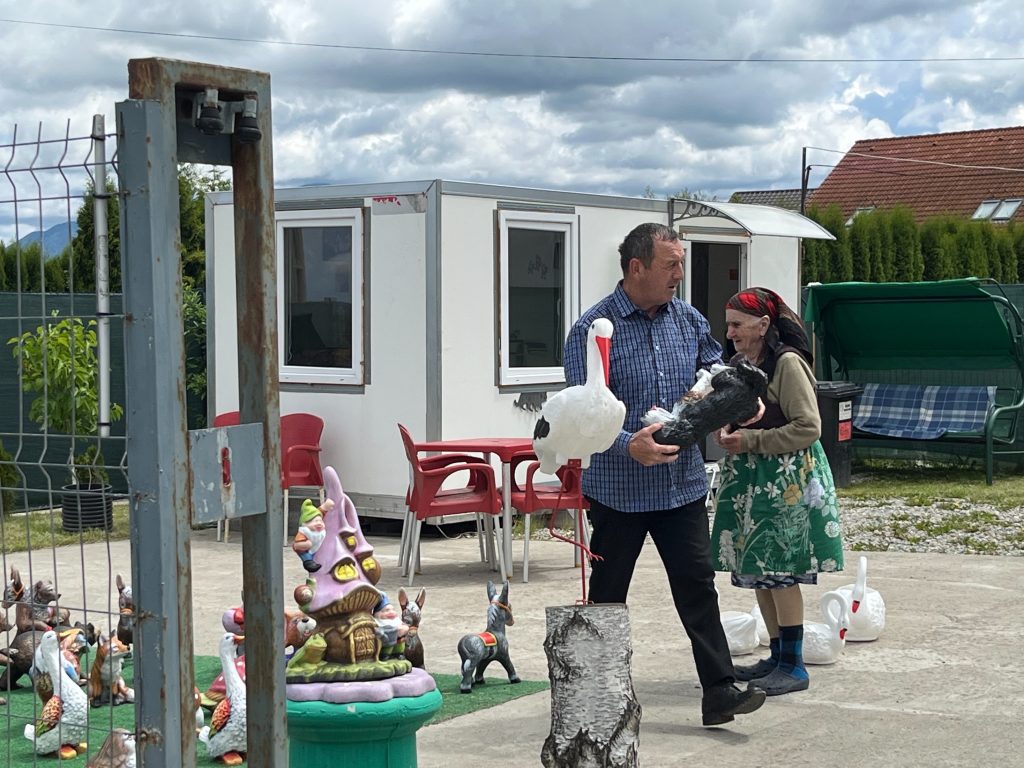
Our new tour guide was named Gigi and he would point out things along the way in his broken English and we would get the gist of what he was saying. He had the brilliant idea of having me pay for his gas which settled our bill with him. About 25 minutes into the trip he announces that he needs to make a stop. I could tell he was struggling with finding the words to explain what he needed to do so he just said, “One house, one dog,” and pulled over at this gated house that seemed to sell lawn ornaments. He went in the yard and talked with the person selling the ornaments, but came back empty handed. Before pulling away he handed us his phone and played a video of him touring his yard plumb full of lawn ornaments. We watched for a while and then paused it to discover the video was over 7 minutes long.
We arrived at Bran and Gigi walked us to the entrance to the castle and explained the “standard ticket” was good enough. I felt that he understood us.
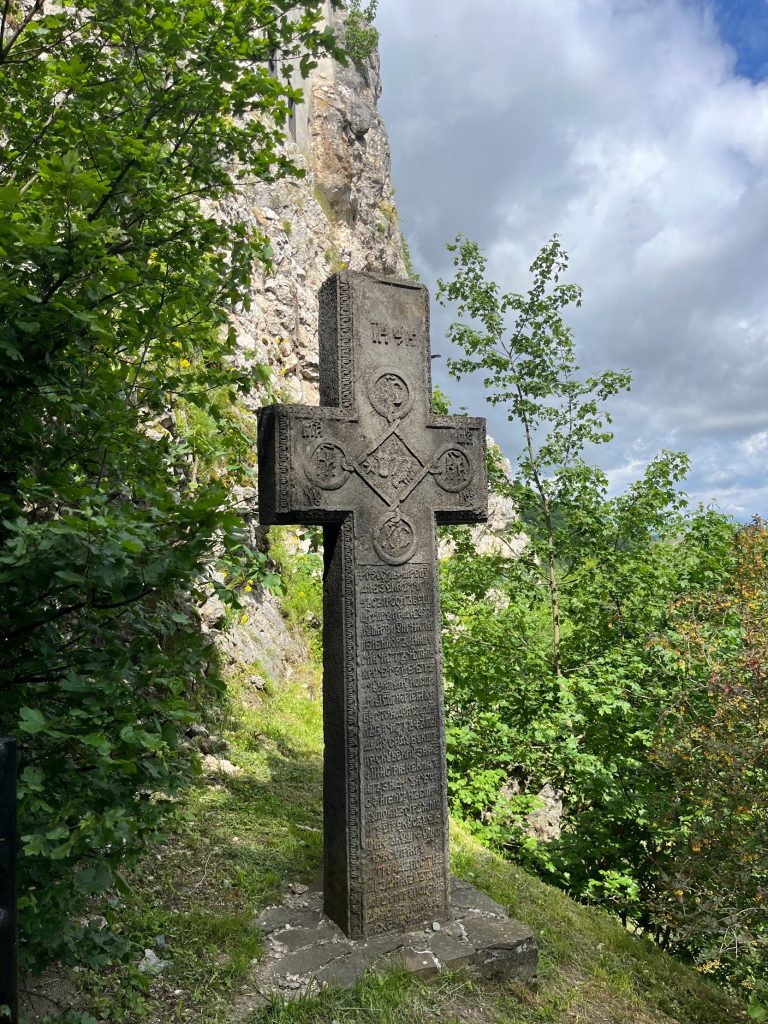
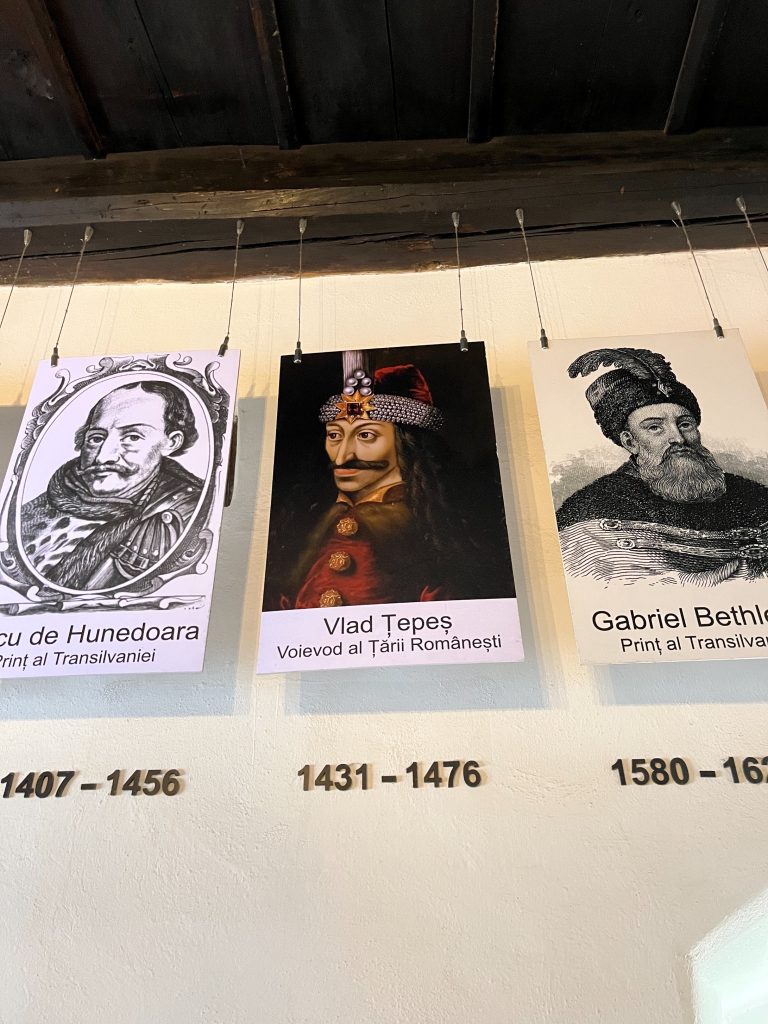
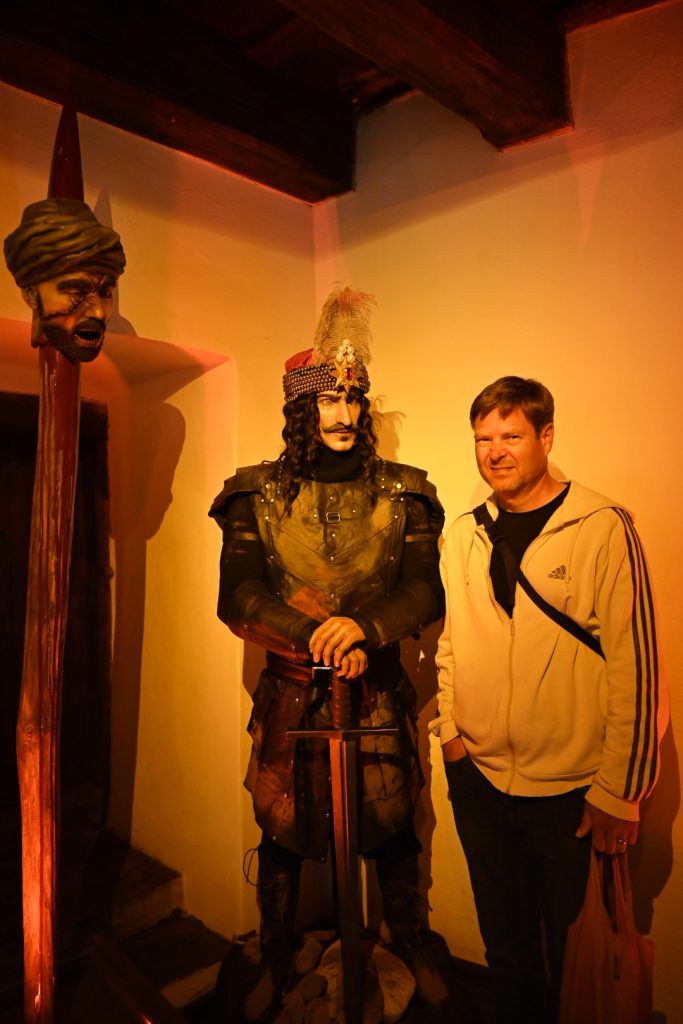
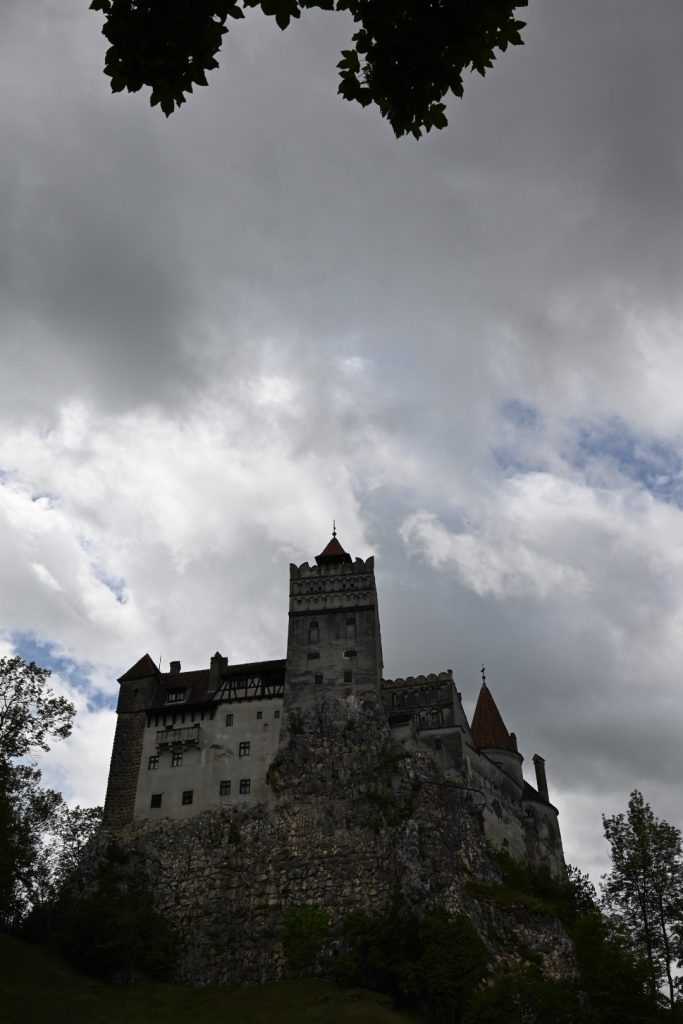
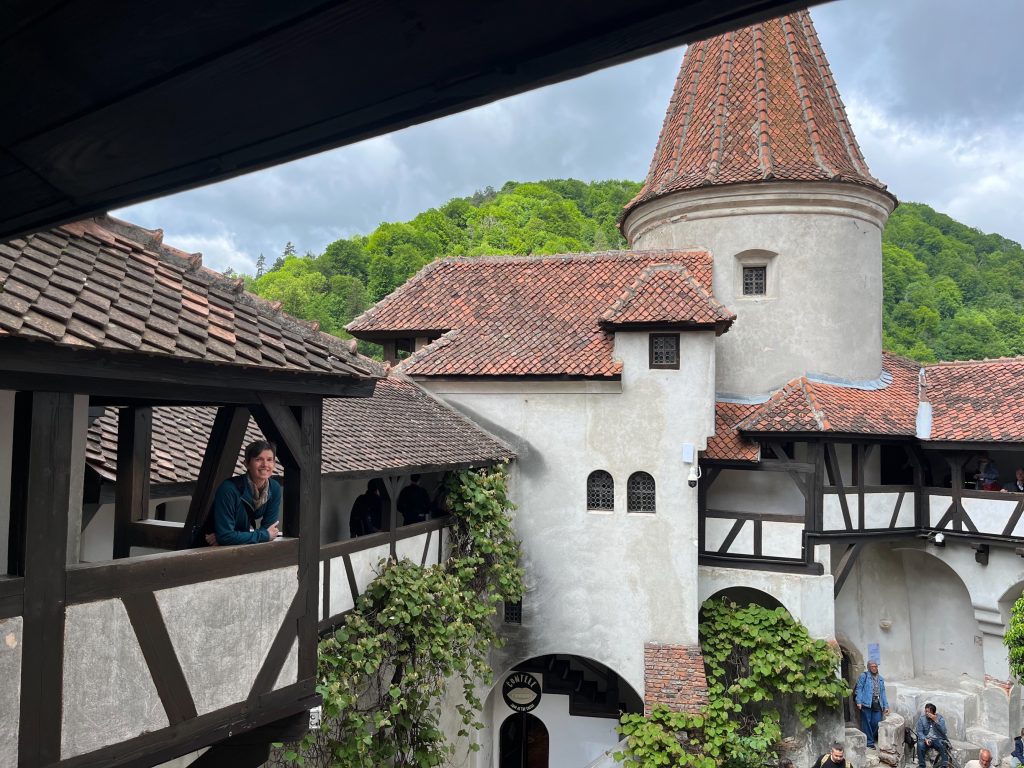
The castle was pretty neat, but the displays within were a little cheesy. There was a longer history to the castle than the Vlad years so they had a lot of different things to cover. There was a “torture room” that the standard ticket didn’t cover, both DawnO and I were happy we took Gigi’s advice.
We spent a couple of hours in Bran which was more than enough time to see the castle and have some lunch so we met back up with Gigi and headed back. We just had one more stop to make.
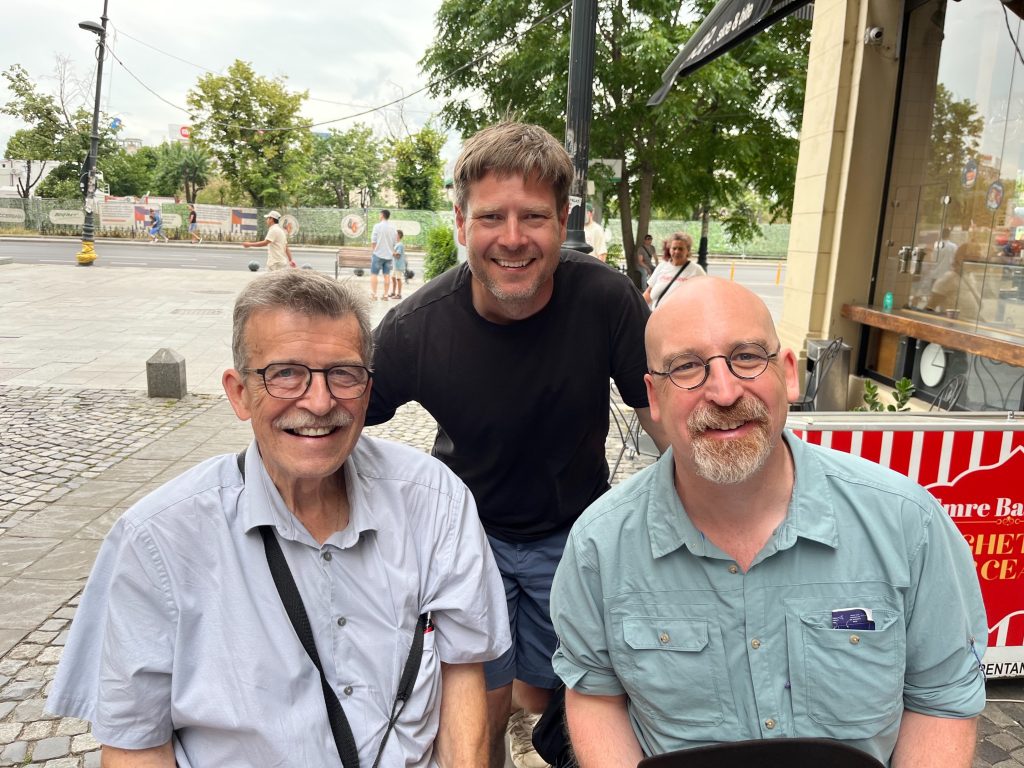
The next day we headed back to Bucharest and met up with some friends from Canada that just happened to be in Romania with their parents. They were headed to Brașov next so you better believe we gave them Gigi’s WhatsApp details.
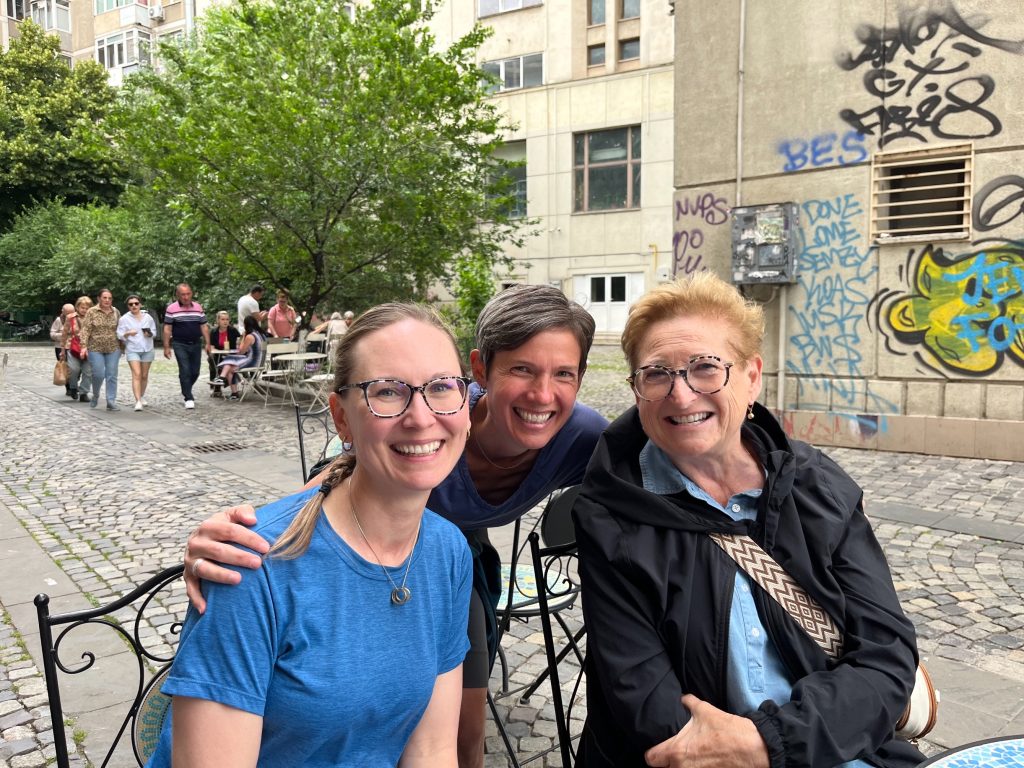
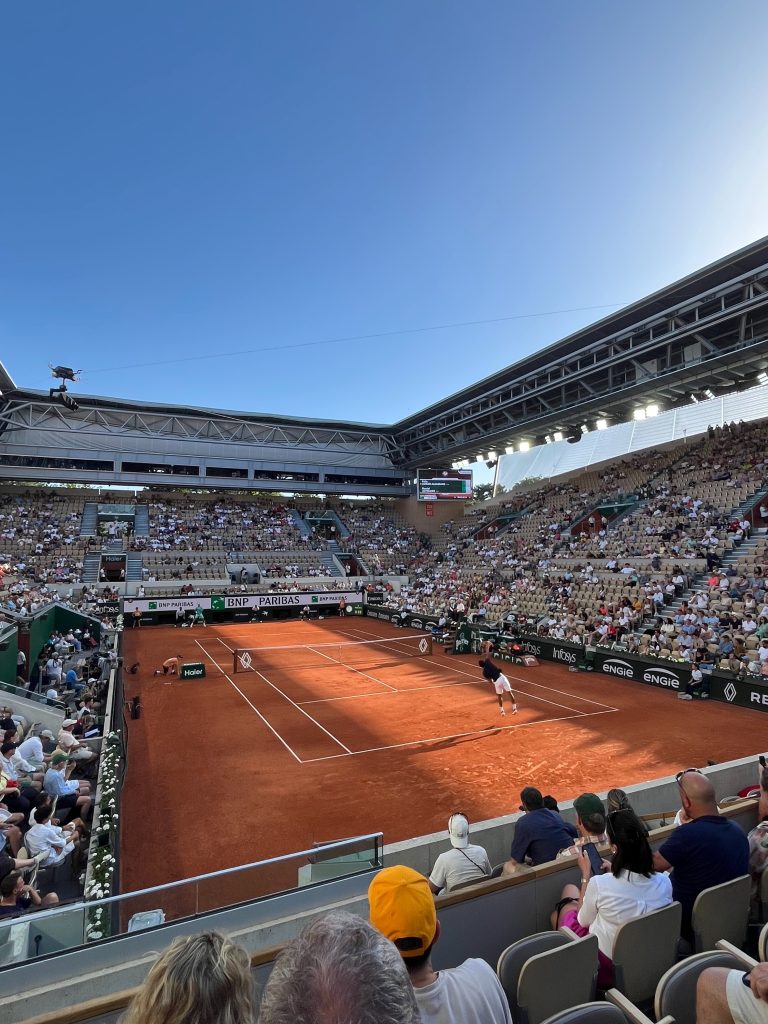
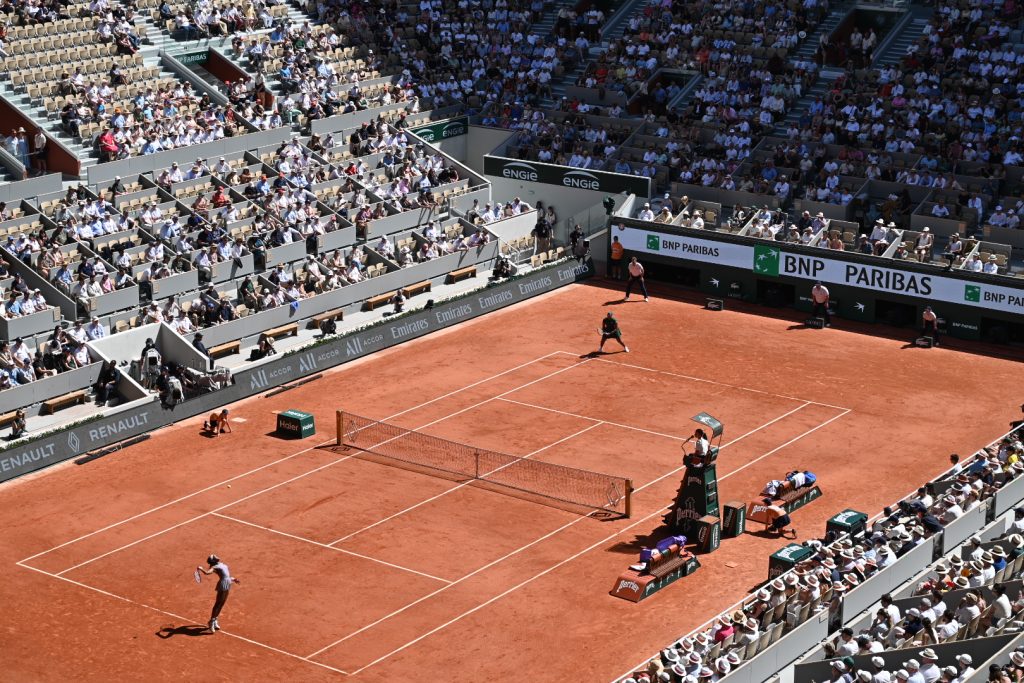
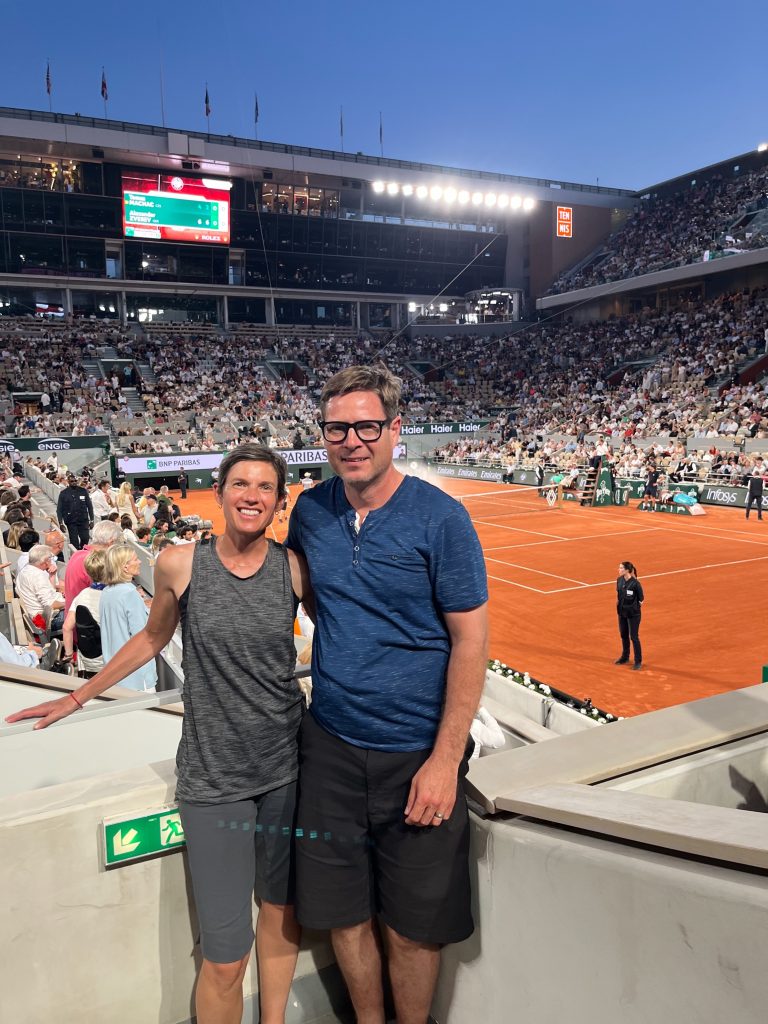
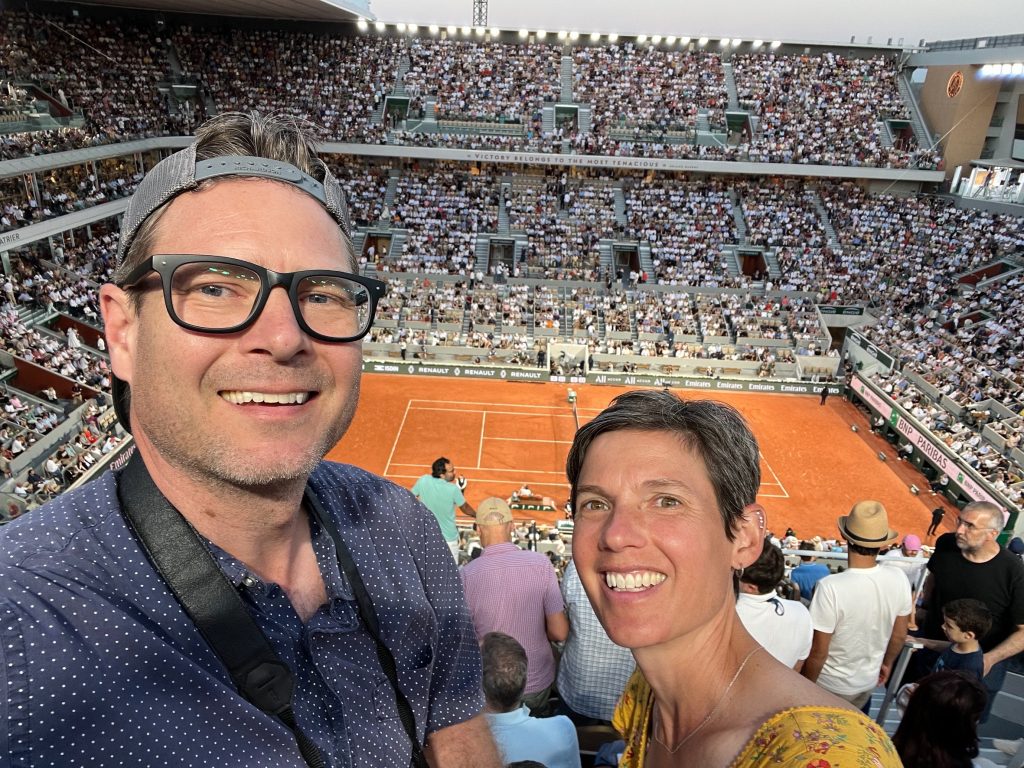
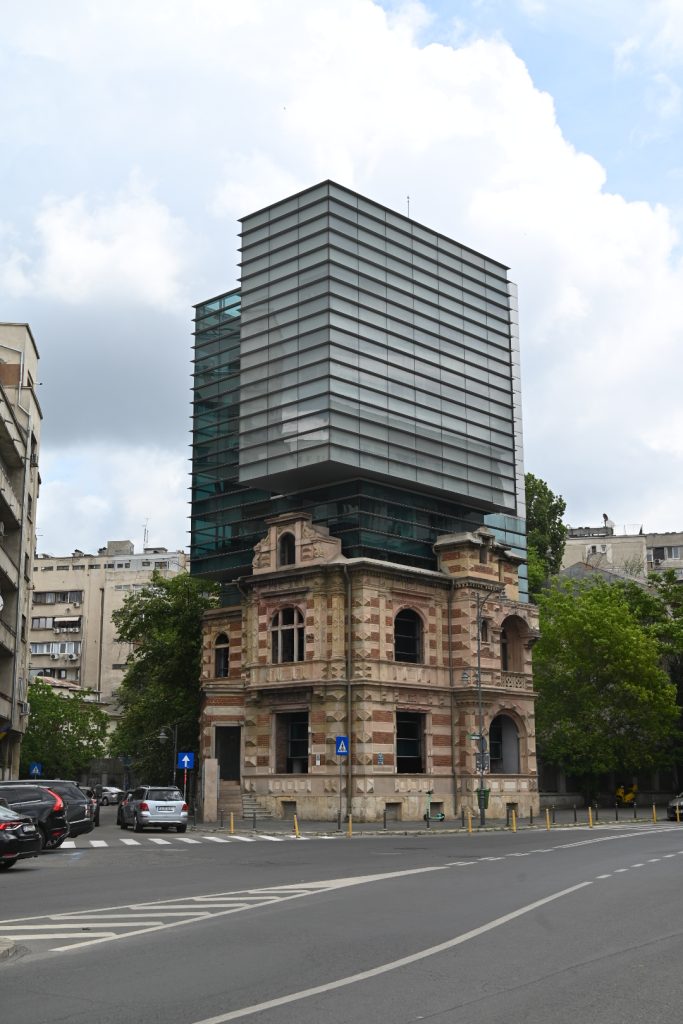
We’ve been doing our own walking tours in the day and catching up with the French Open at night!
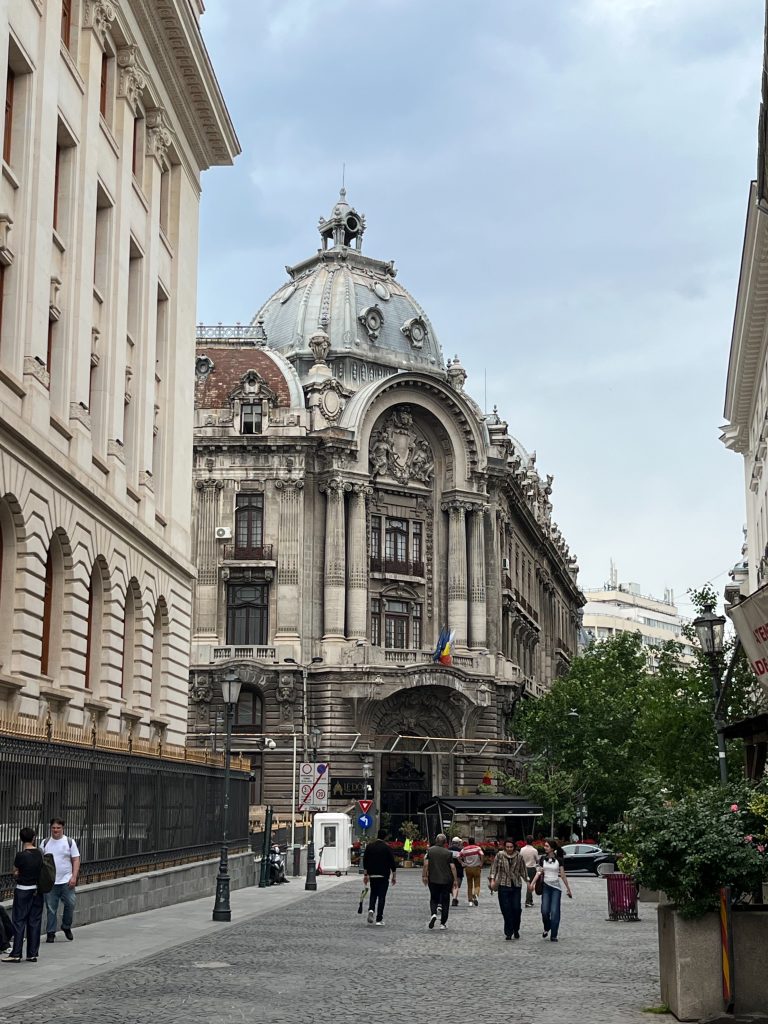
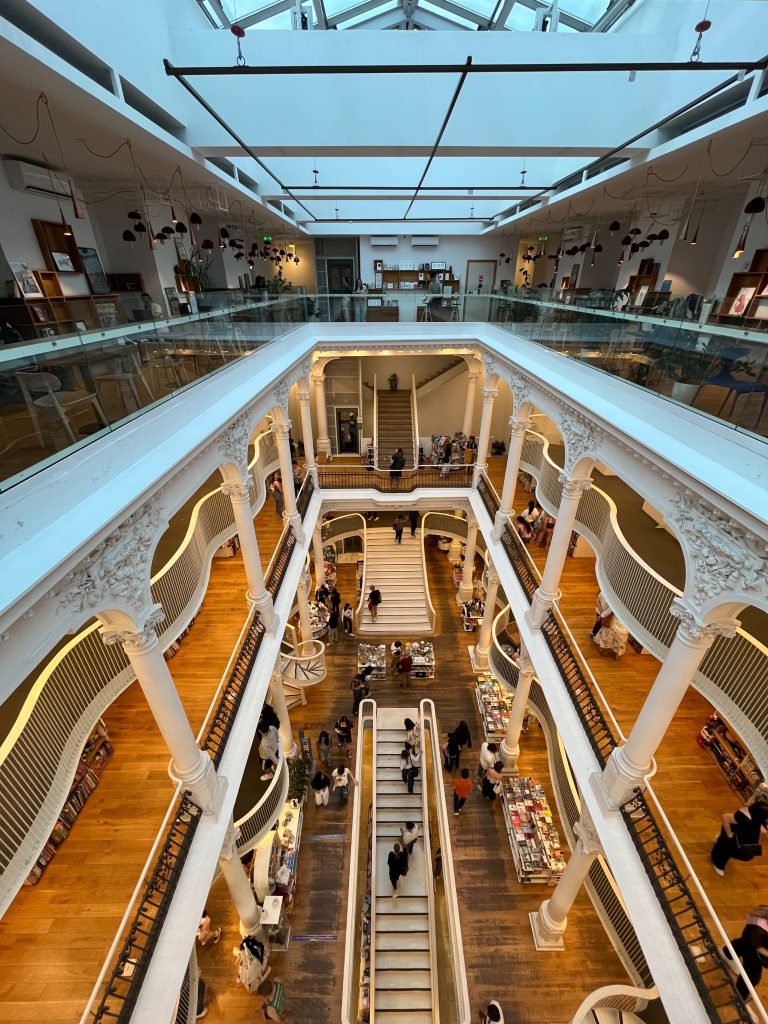
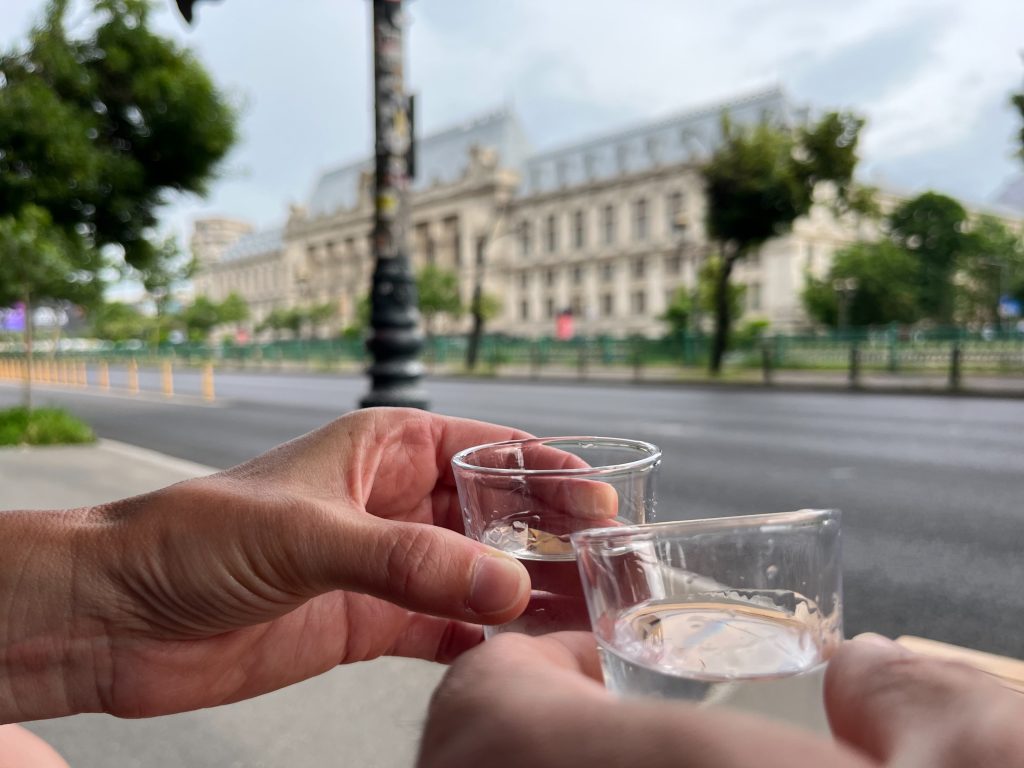
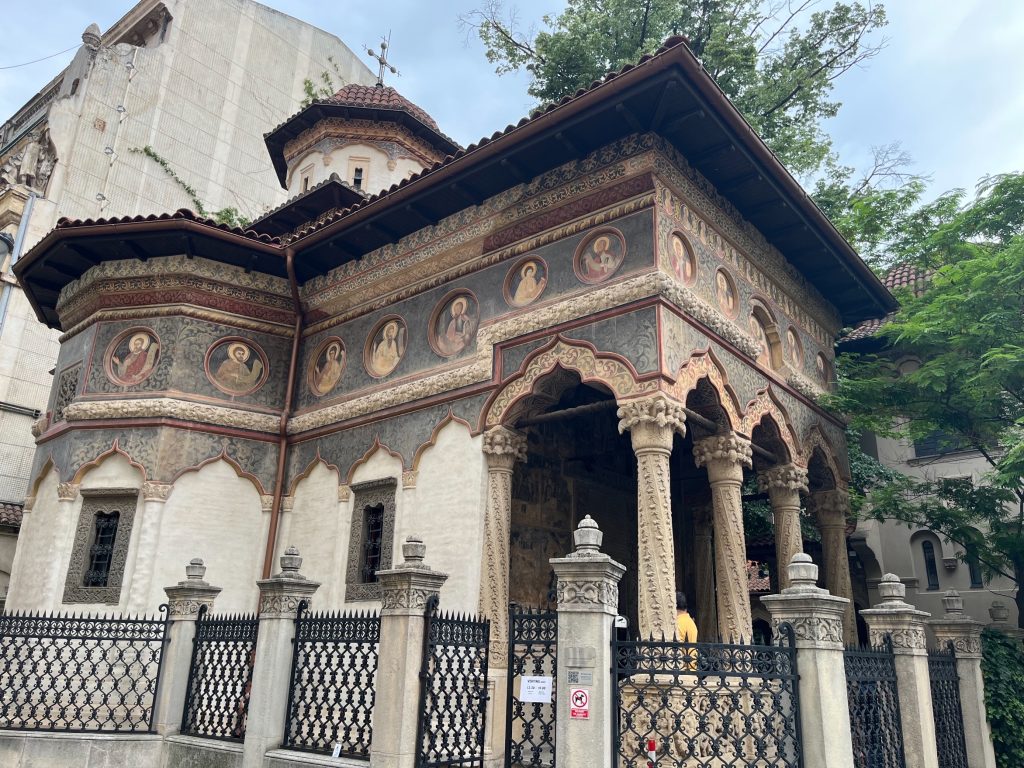
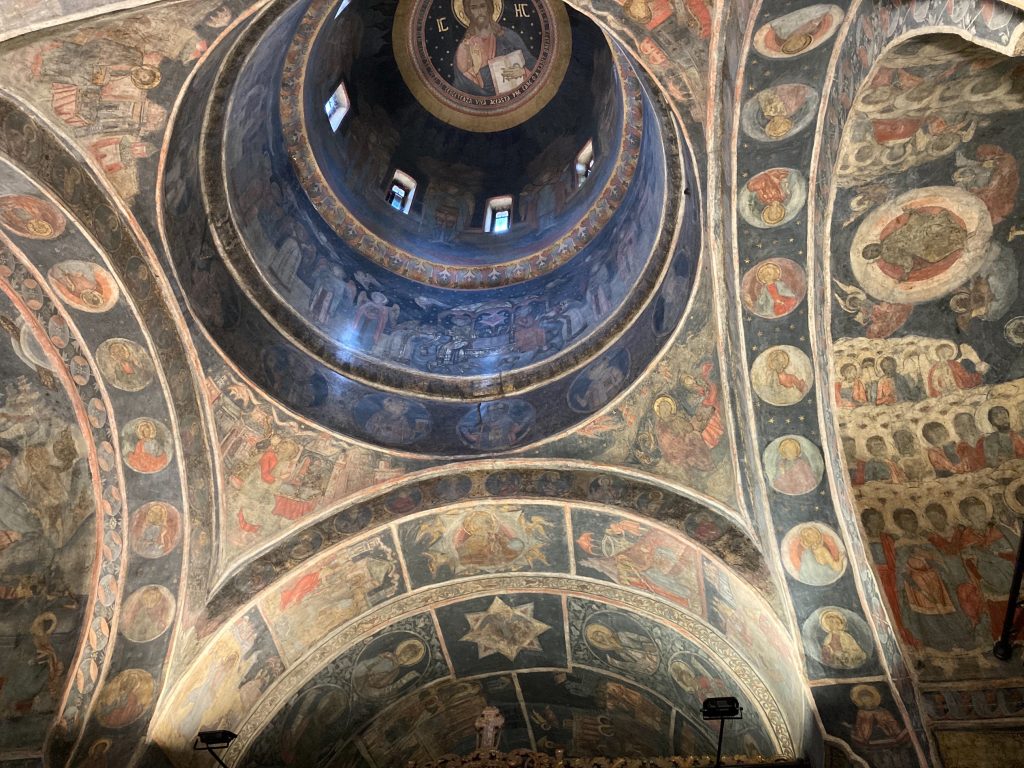
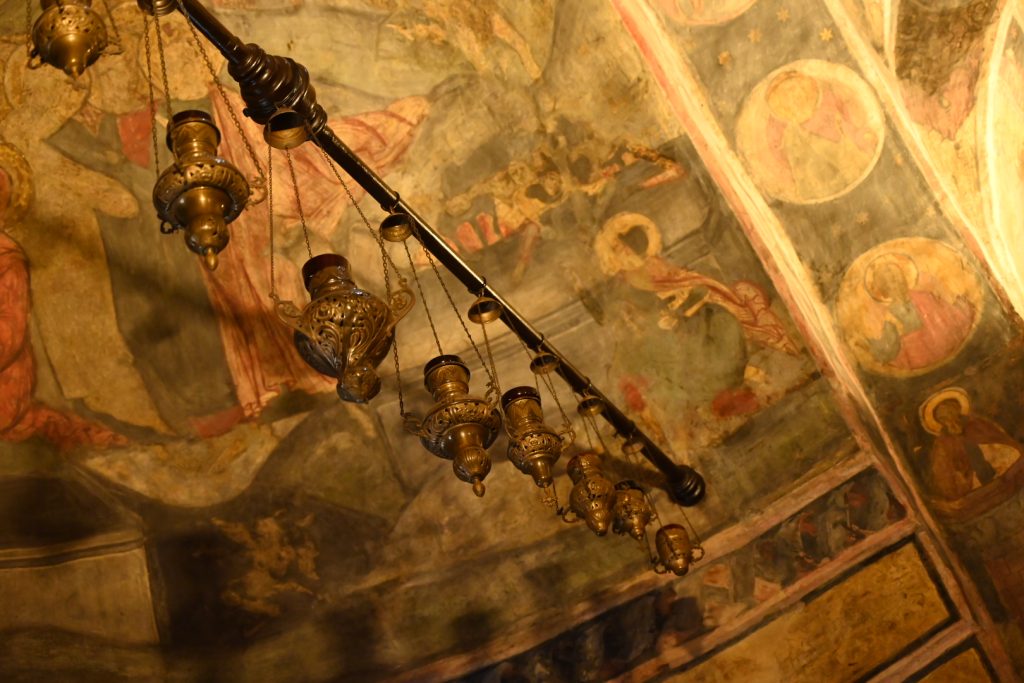
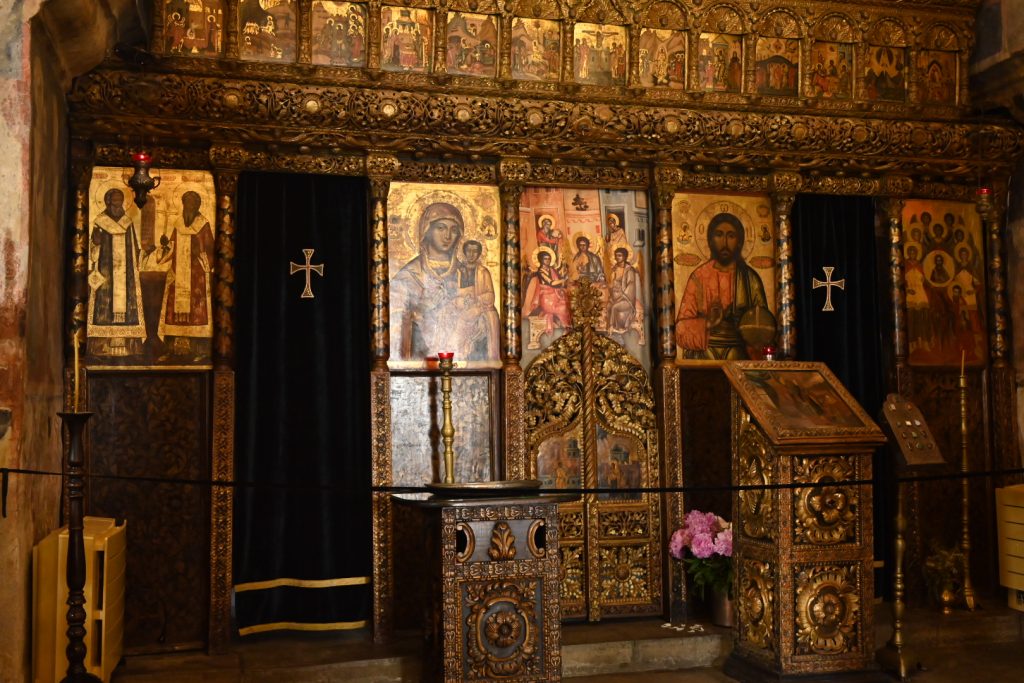
Our favourite spot so far is the Church of Stavropoleos Monastery. We’ve been back twice and find it mesmerizing!
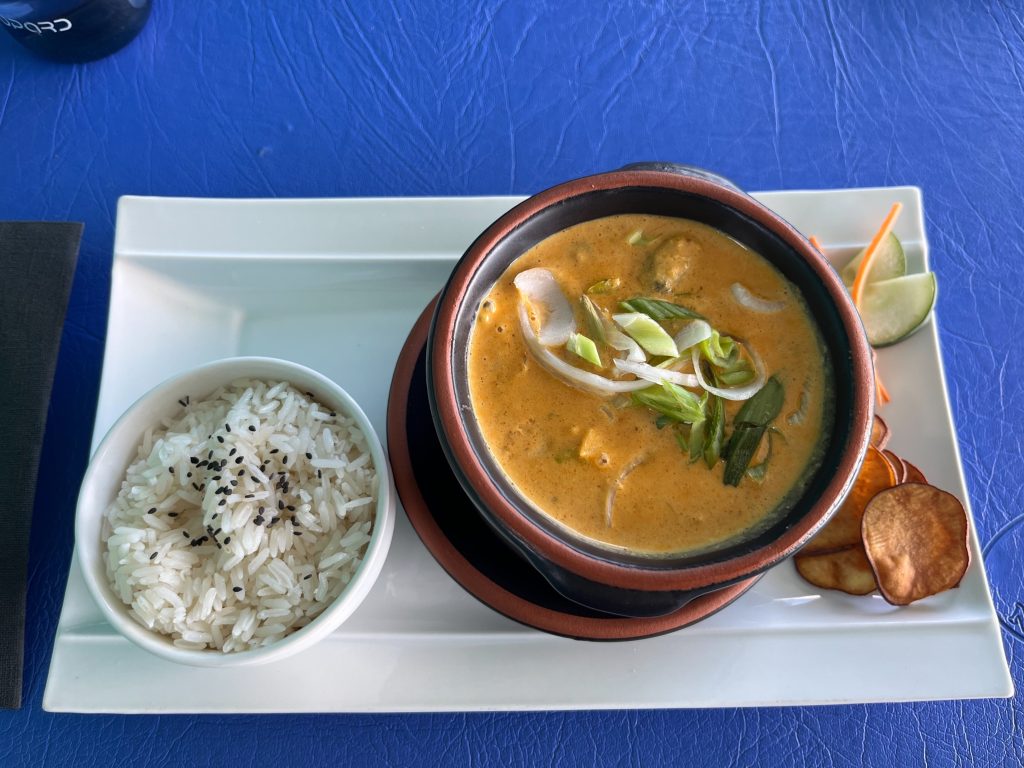
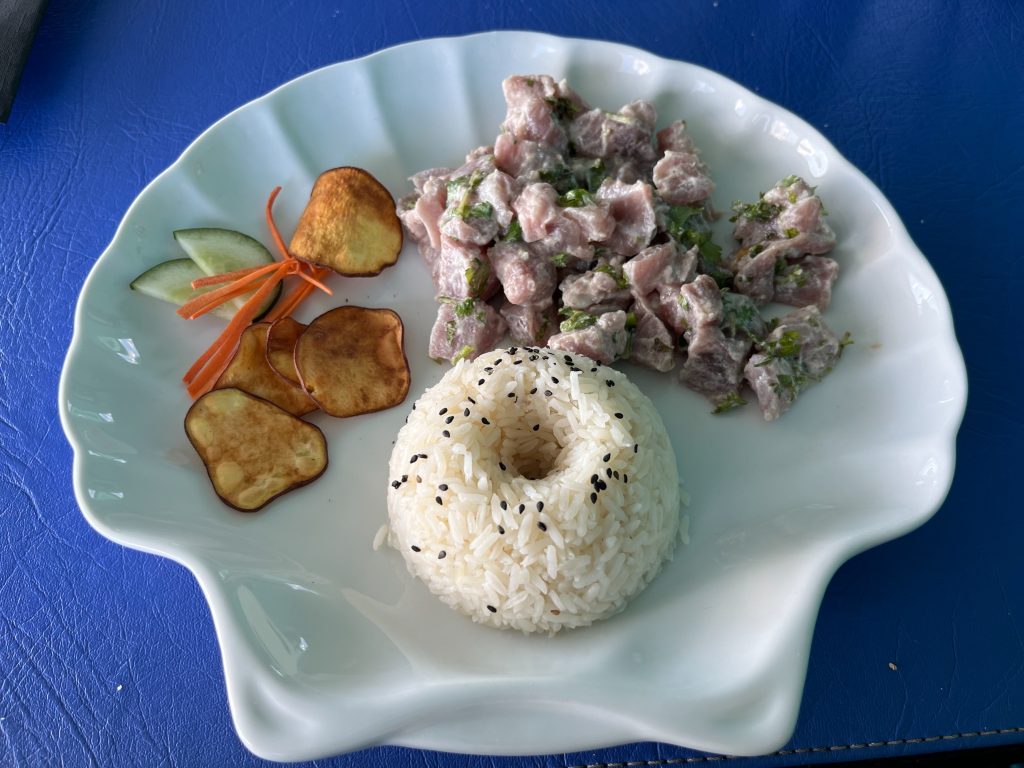
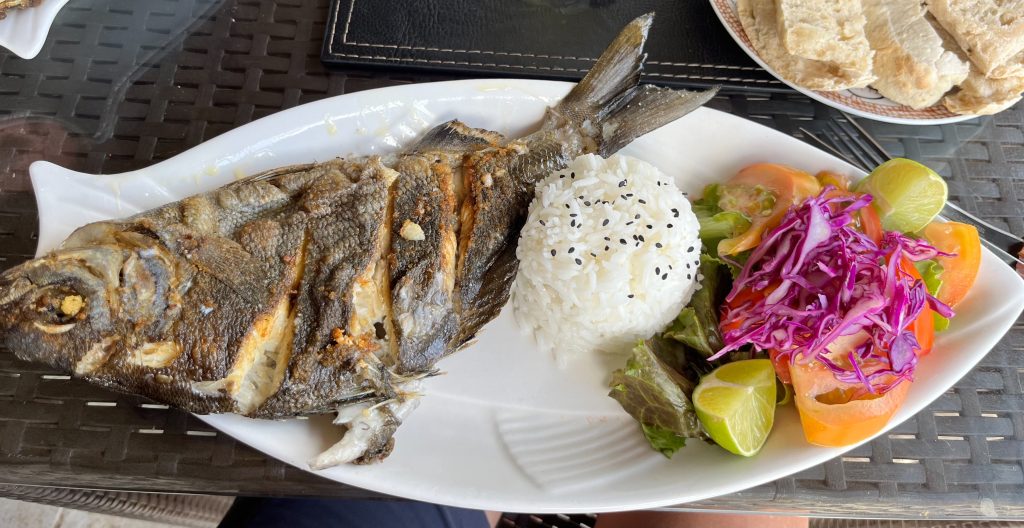
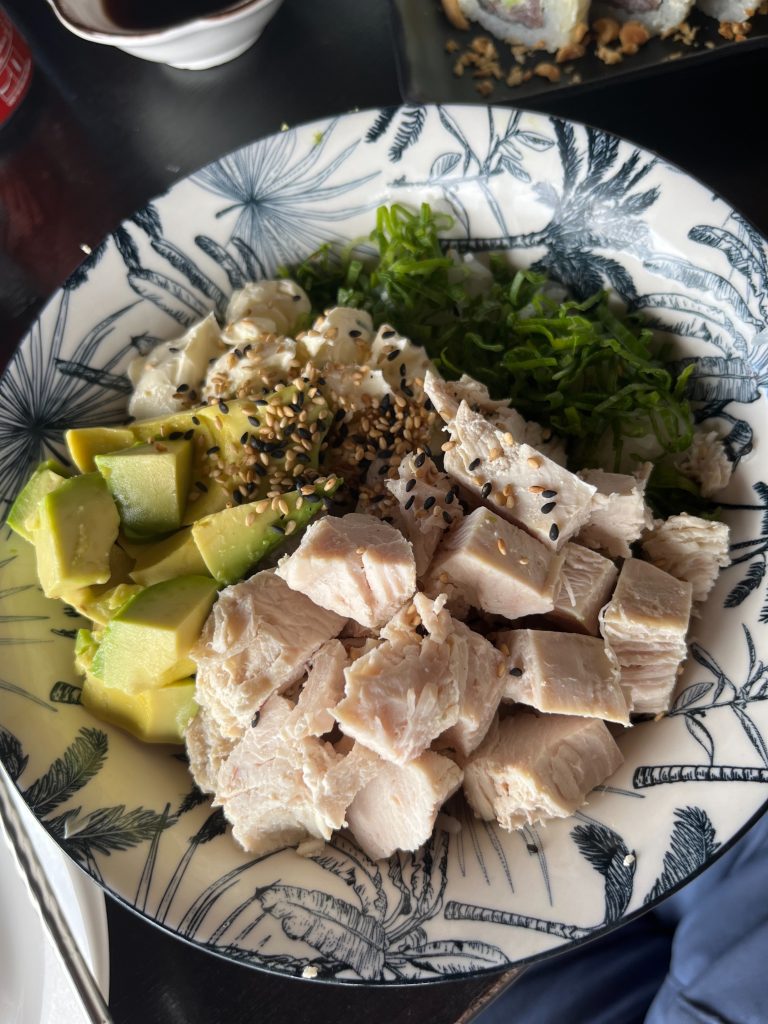
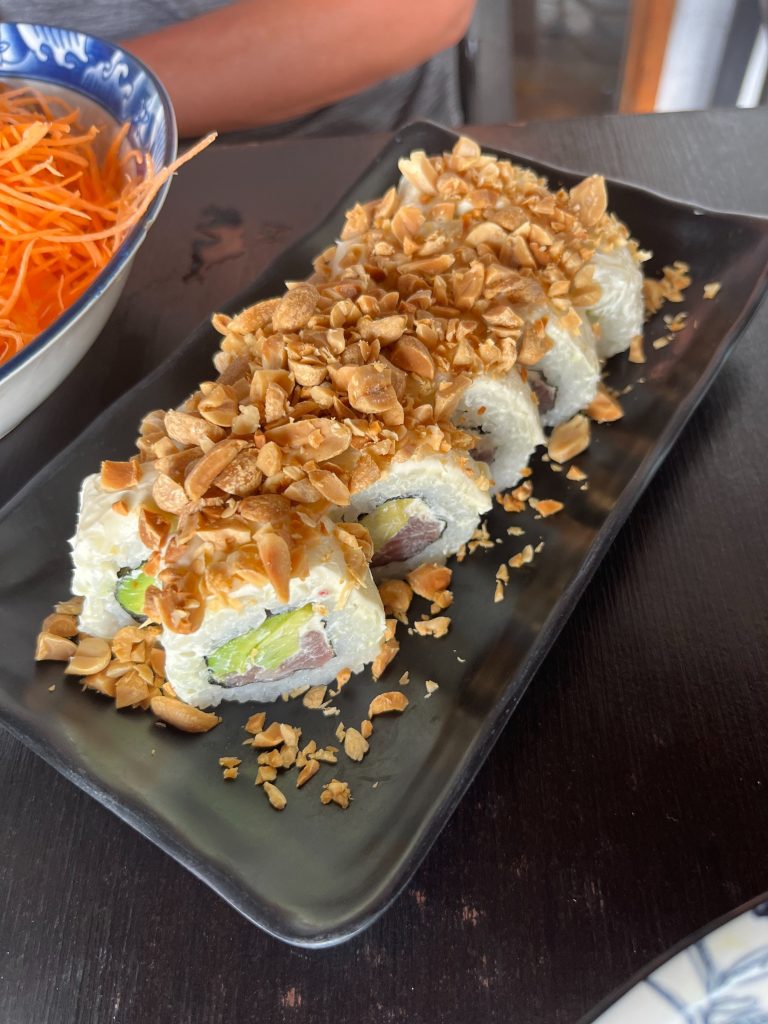
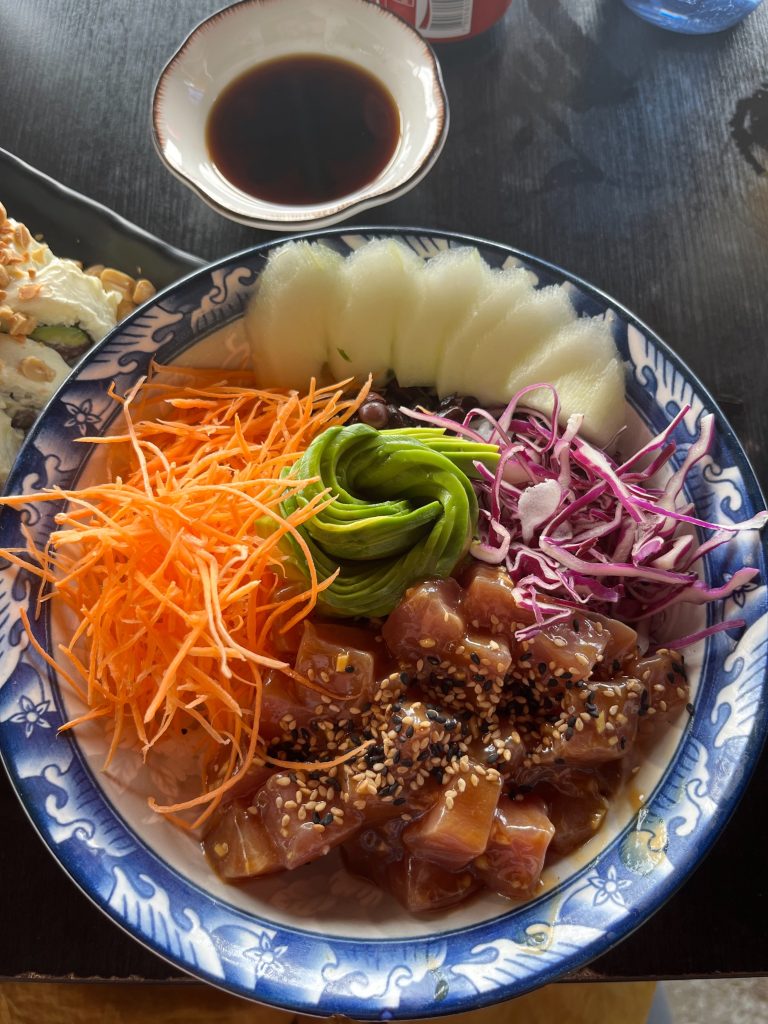
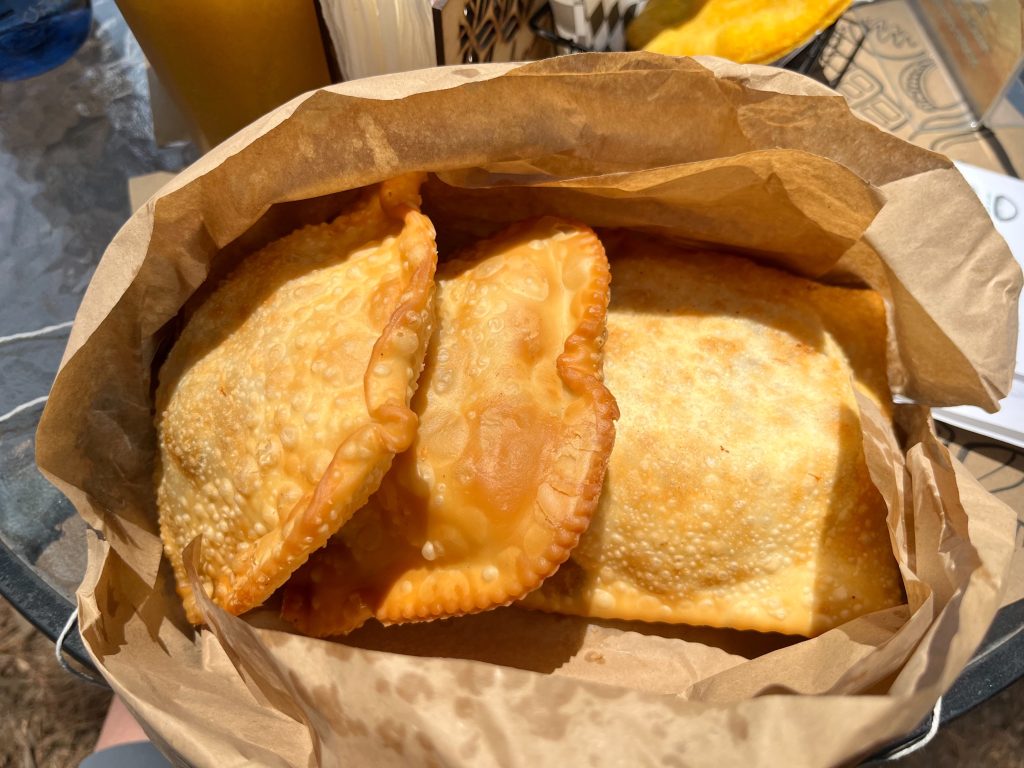
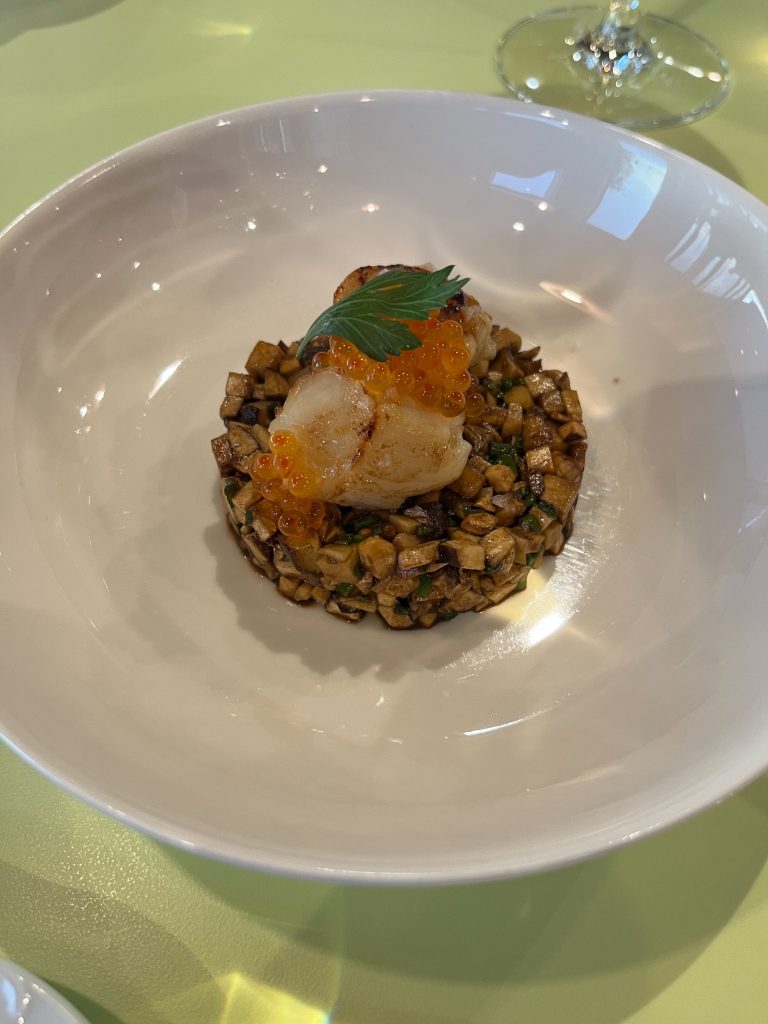
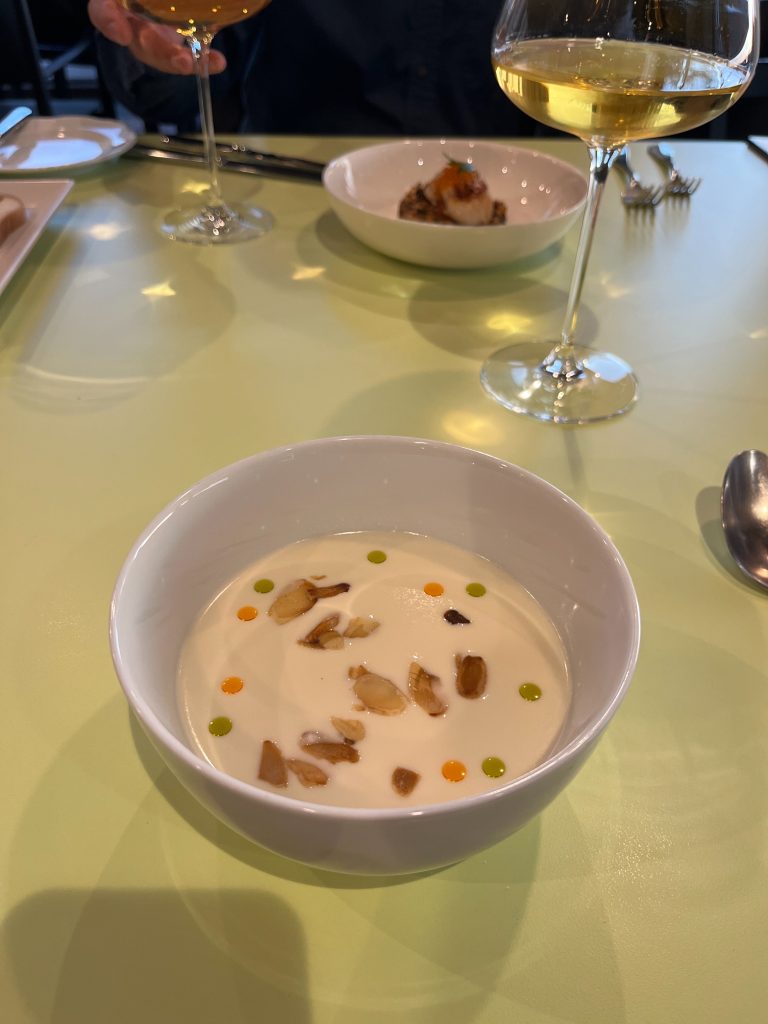
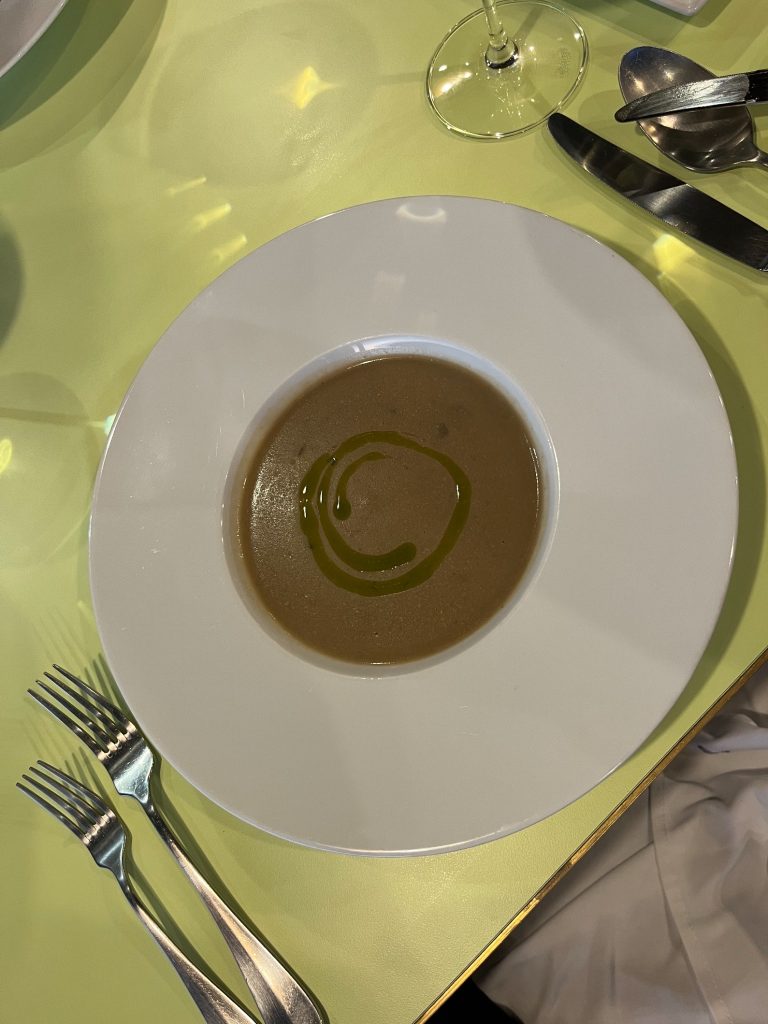
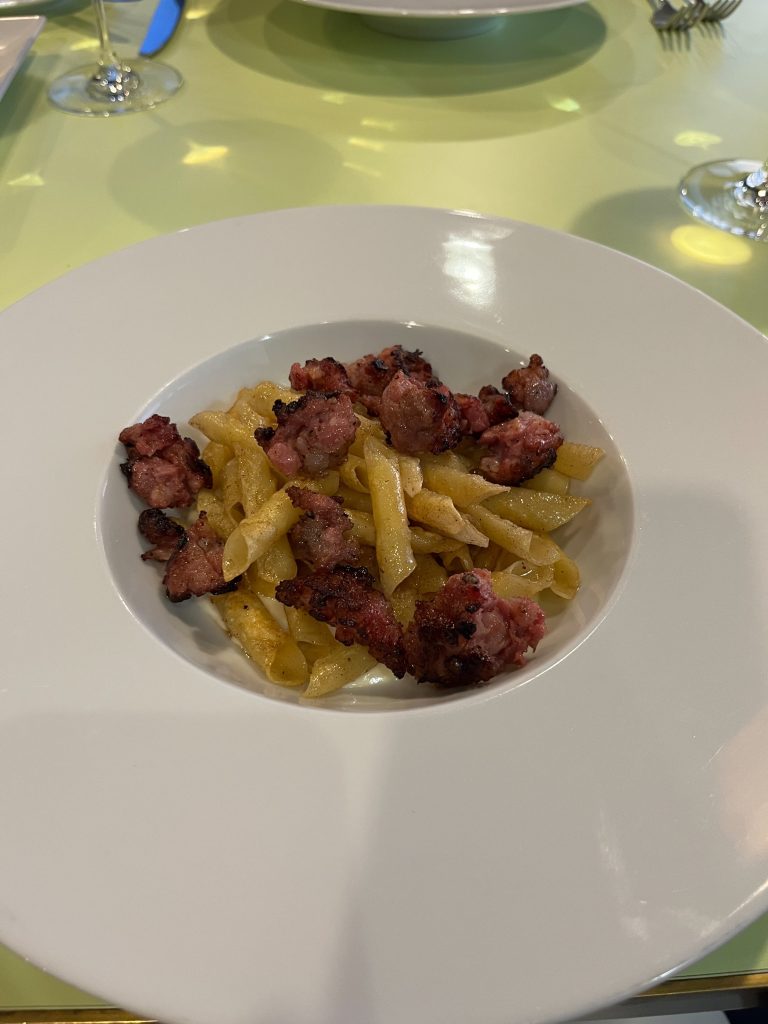
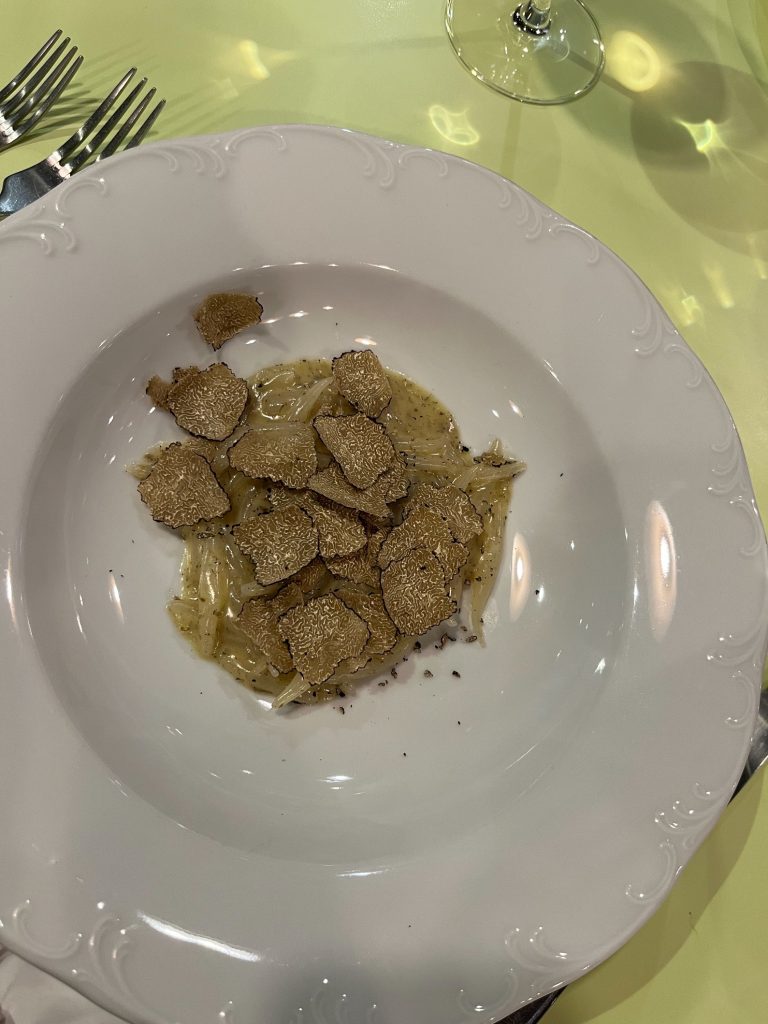
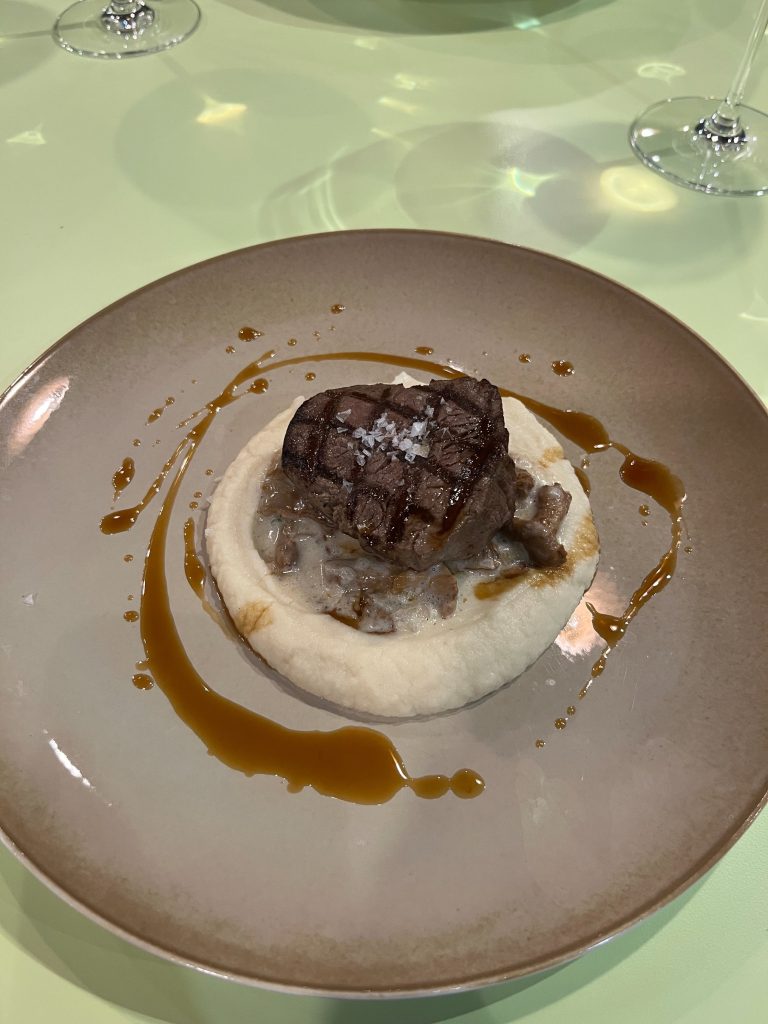
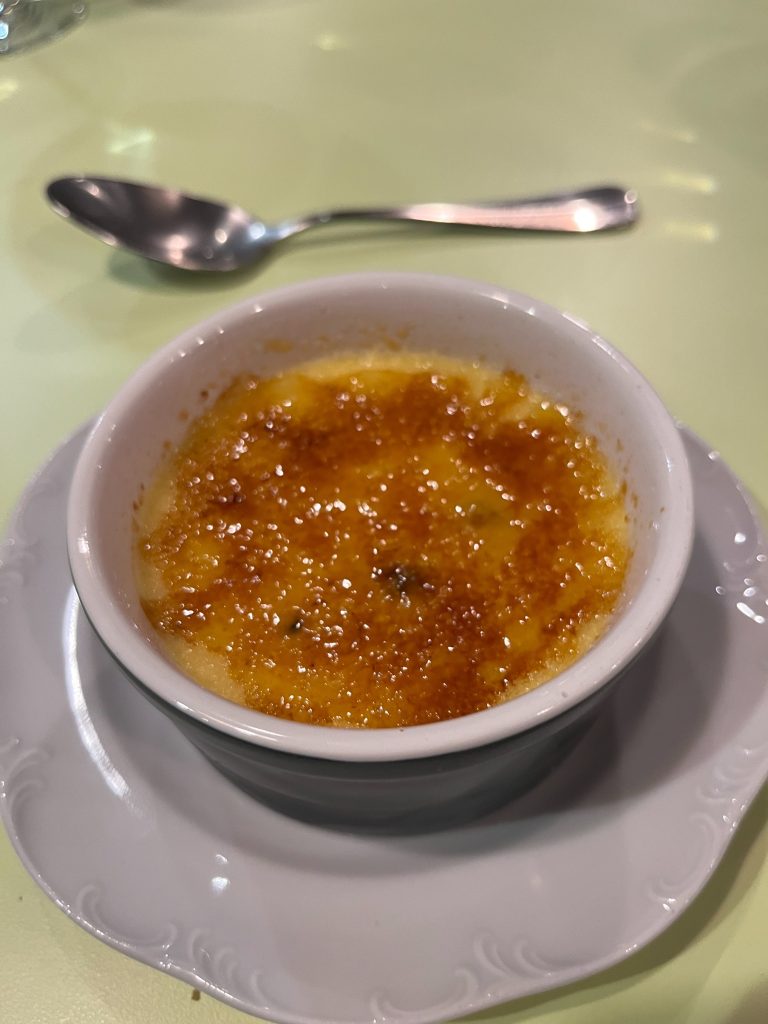
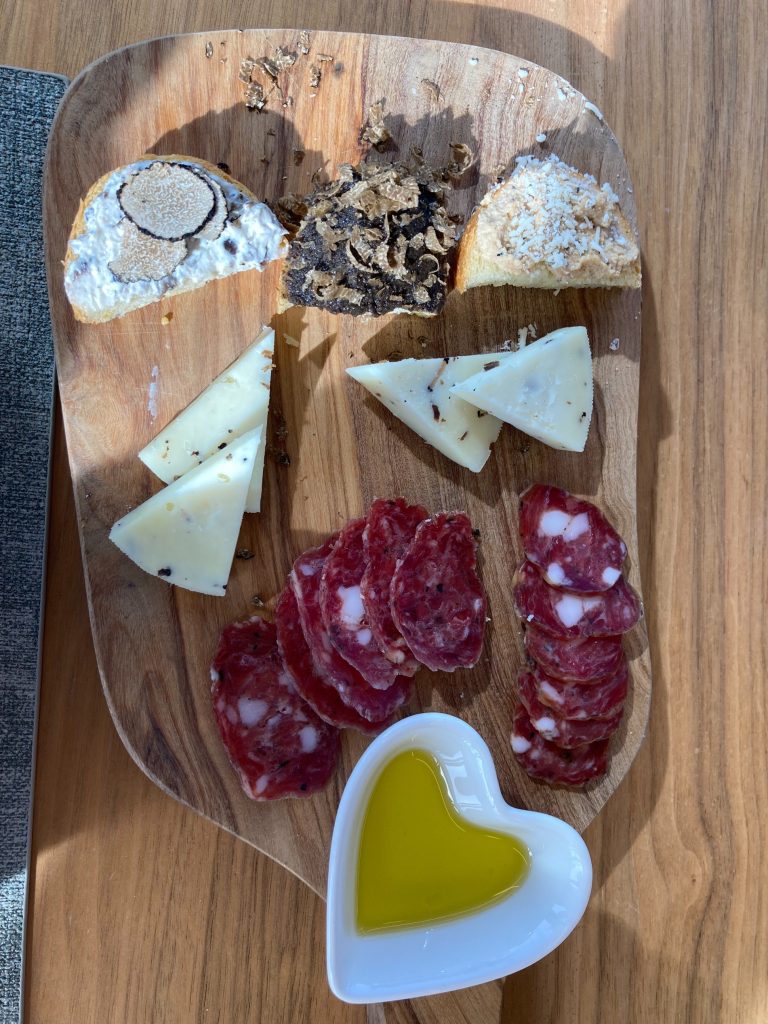
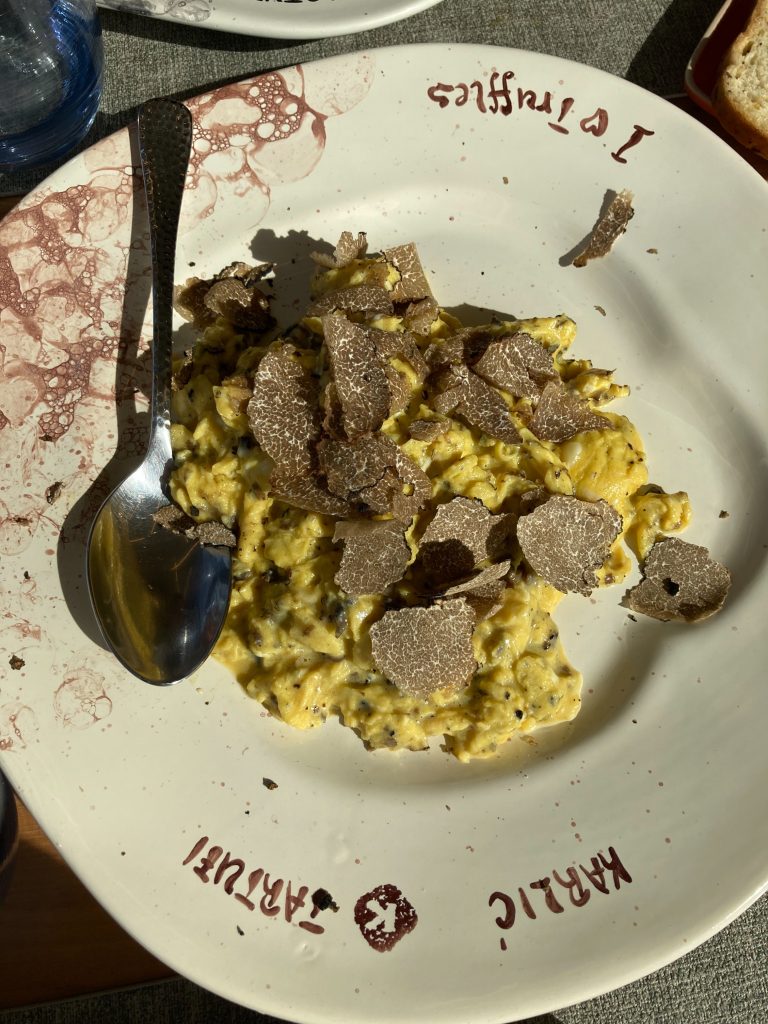
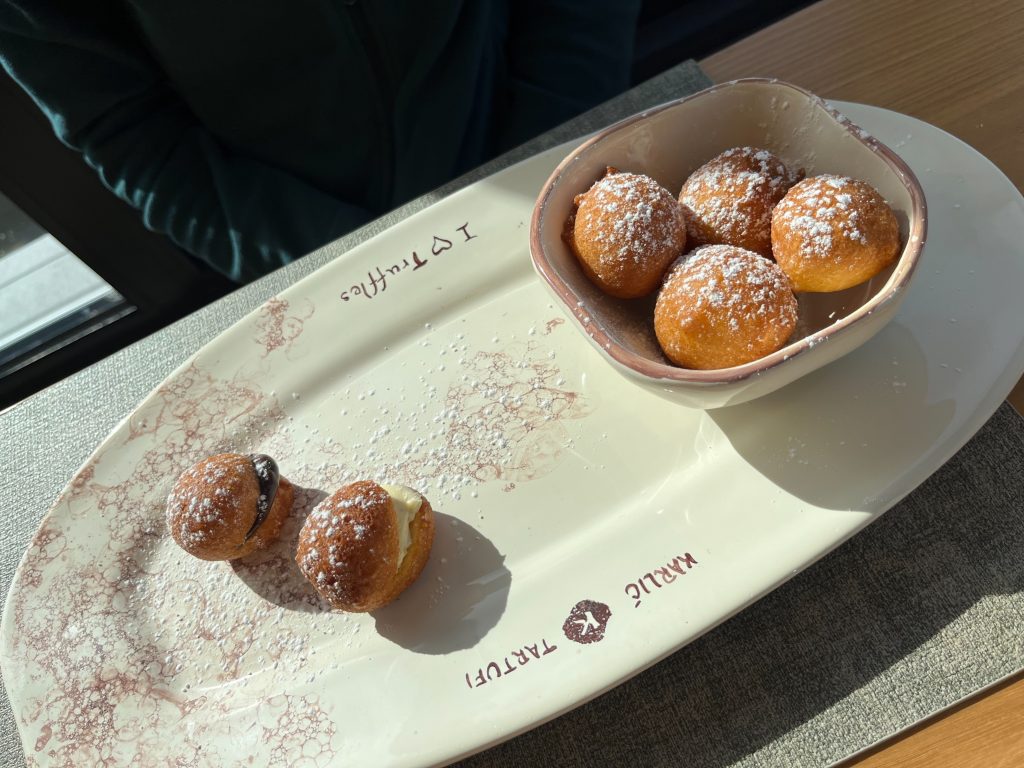
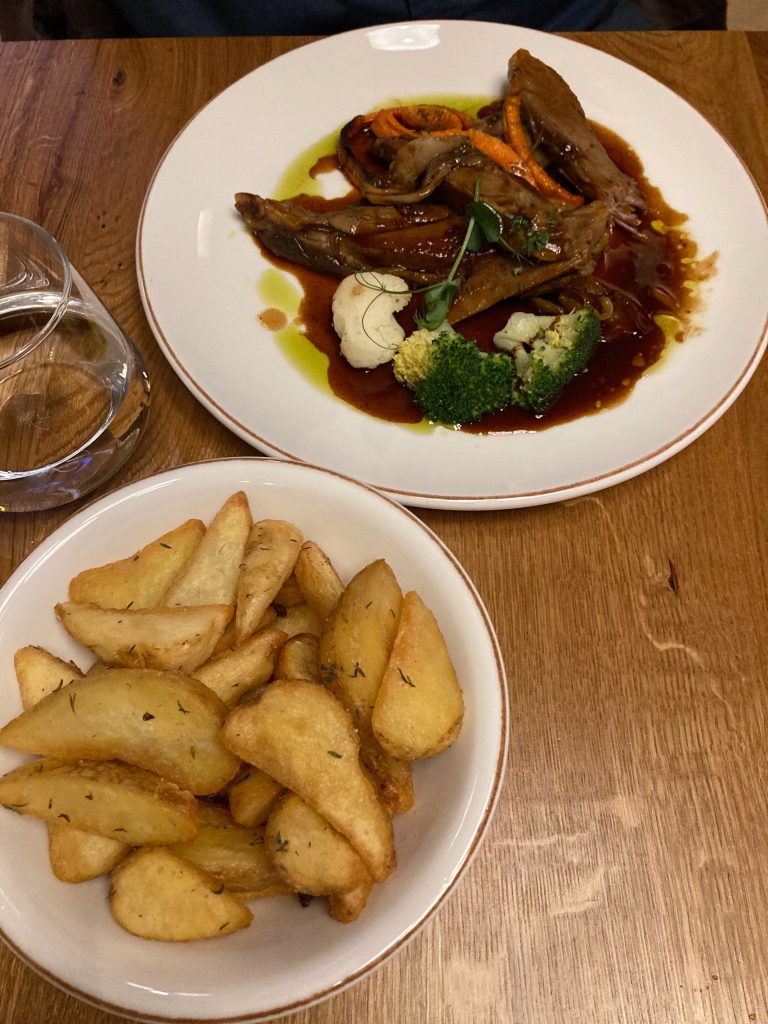
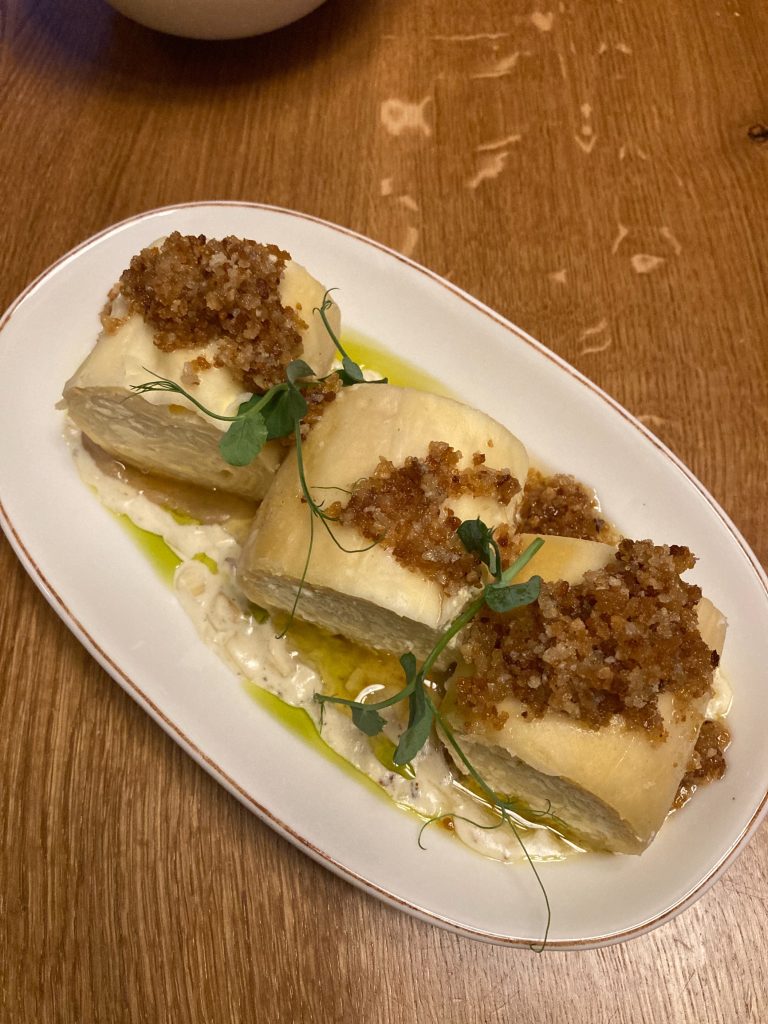
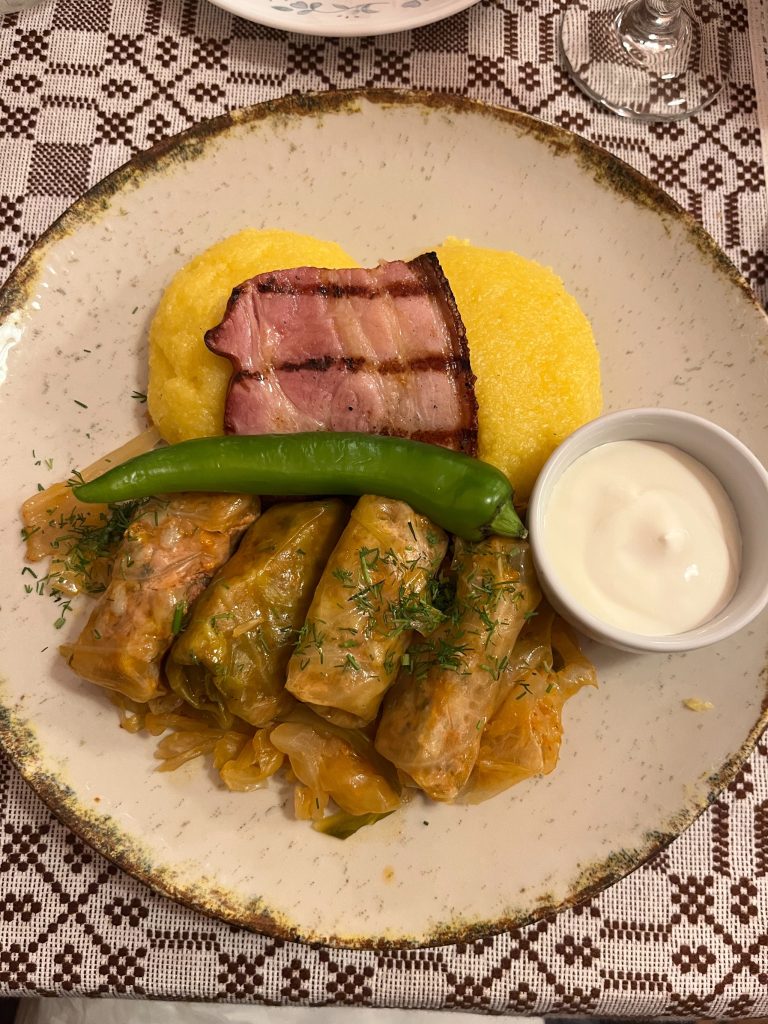
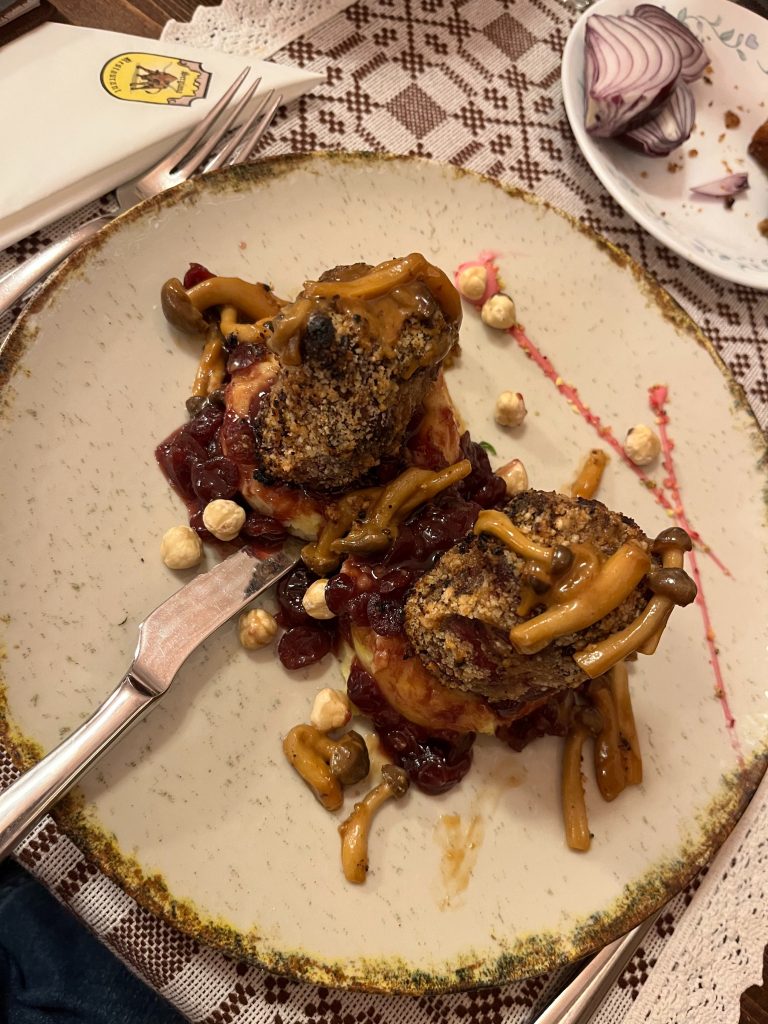
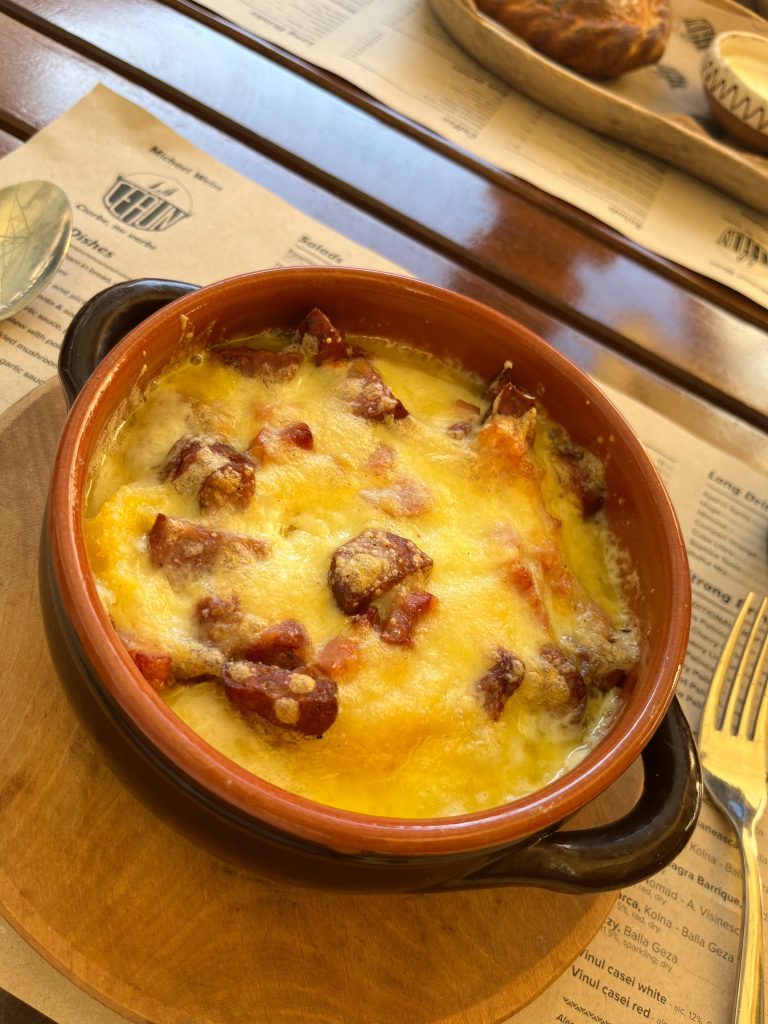
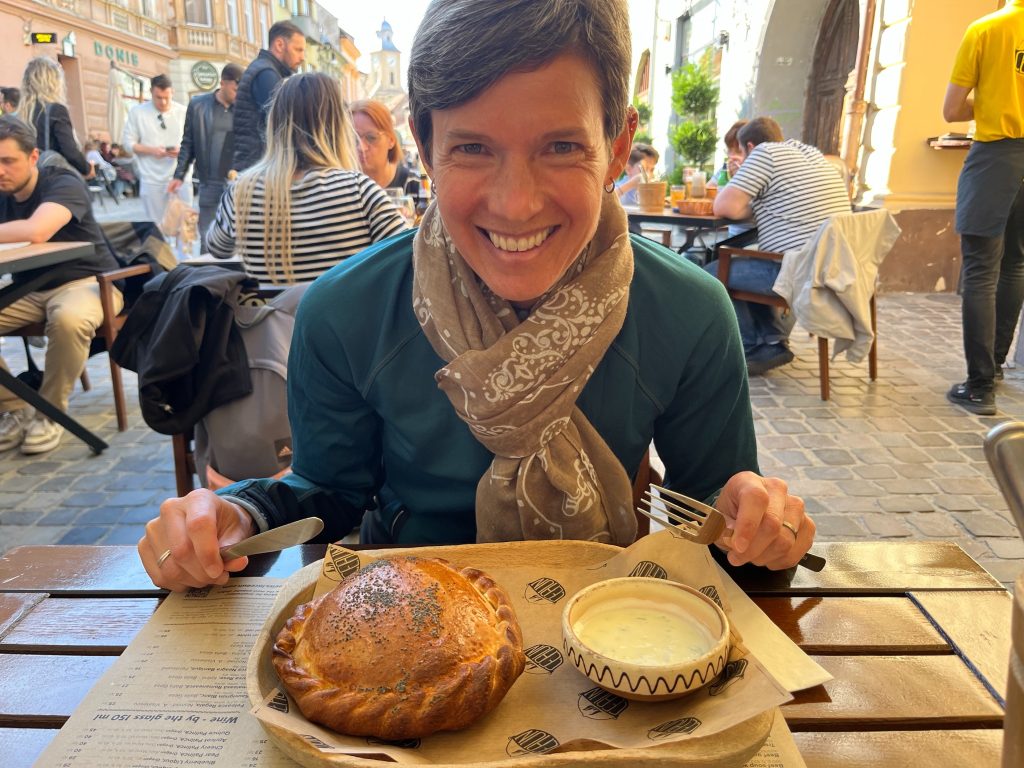
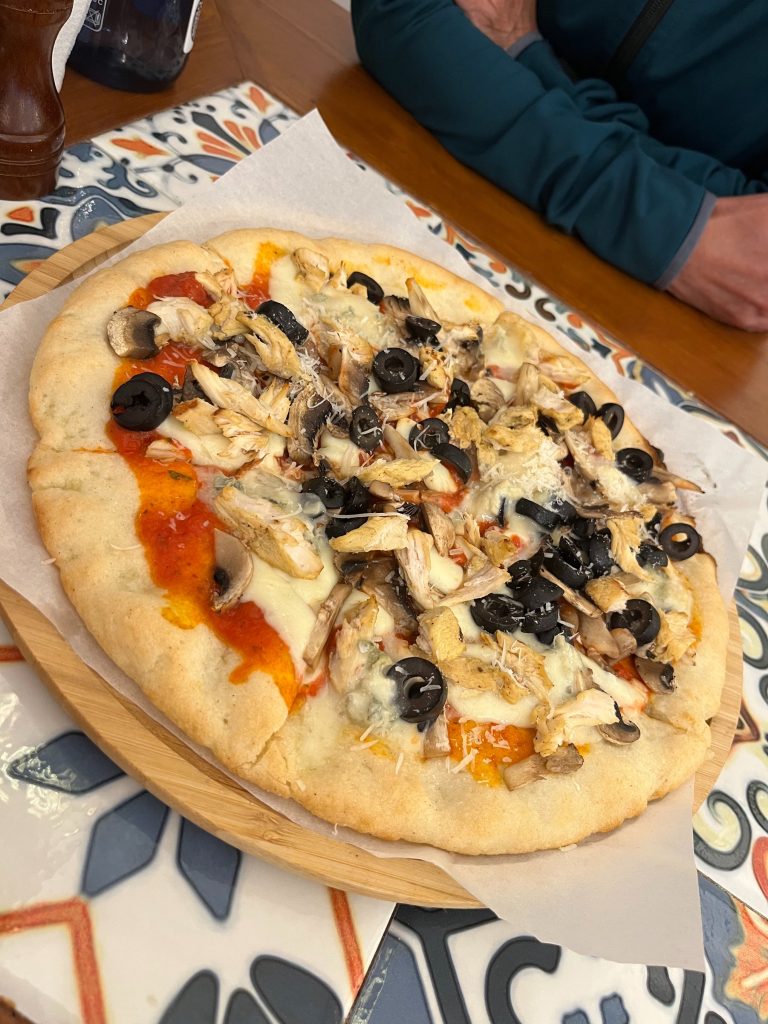
The food here has been surprisingly delicious. There’s a lot of meats and cheeses so I’m not sure why I ever questioned it.
We spent our last day in Romania at the Therme Bucharest Spa. It was a nice way to spend a few hours before we began our trek home.